

Poshan Abhiyaan 2025: What the Poshan Maah App Reveals About India’s Nutrition Mission3 is shaping up to be one of the most ambitious public health missions India has ever attempted. It is not just another scheme on paper, but a live, data-backed effort to ensure that every child and every mother gets the nutrition support they deserve. As India enters a crucial decade for human development, the way this mission uses technology, community action, and convergence of schemes will heavily influence the country’s long-term health and productivity. At the heart of this transformation is the growing focus on digital tools like the Poshan Tracker and the Poshan Maah app. These platforms are quietly changing how Anganwadi services are monitored, how gaps are found, and how quickly government systems can react on the ground. Instead of waiting months for reports, decision-makers can now see what is happening almost in real time.
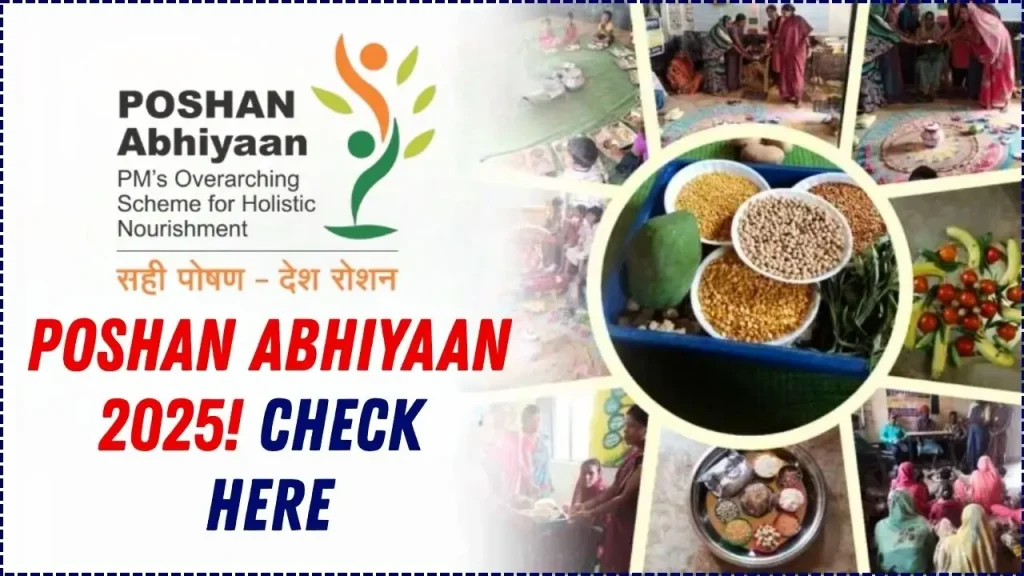
Poshan Abhiyaan 2025: What the Poshan Maah App Reveals About India’s Nutrition Mission3 represents a clear shift from old, slow systems to a modern, responsive nutrition mission. The name may sound long, but the core idea is simple: use one powerful mission to bring together schemes, data, and people to fight malnutrition. By combining digital tracking with community campaigns, the mission is trying to make sure that no child remains invisible and no mother is left out of the system. The Poshan Maah app, built around the larger Poshan Tracker ecosystem, sits at the centre of this strategy. It supports the work of Anganwadi workers, supervisors, and administrators by making data easy to enter, easy to see, and easy to act on. For a country of India’s size, this kind of technology-led visibility is not a luxury anymore – it is essential.
Poshan Abhiyaan 2025
| Key Aspect | Details |
|---|---|
| Launch Year | Launched in 2018 as the National Nutrition Mission under the banner of Poshan Abhiyaan. |
| Primary Beneficiaries | Children 0–6 years, adolescent girls, pregnant women, and lactating mothers. |
| Core Goals | Reduce stunting, undernutrition, anaemia, and low birth weight; move towards a malnutrition-free India. |
| Technology Backbone | Poshan Tracker / Poshan Maah app for real-time monitoring, dashboards, and beneficiary tracking. |
| Major Campaigns | Rashtriya Poshan Maah and Poshan Pakhwada for mass awareness and Jan Andolan. |
| 2025 Theme | “Right Nutrition, Healthy Life” with emphasis on diet diversity and local nutritious foods. |
| Scale Of Coverage | Over 14 lakh Anganwadi centres and many crores of registered beneficiaries across India. |
| Strategic Approach | Convergence of multiple schemes, technology use, and community-led behaviour change. |
What Is The Poshan Abhiyaan?
Poshan Abhiyaan, often called the National Nutrition Mission, is the flagship programme designed to tackle India’s long-standing challenge of malnutrition in a focused, time-bound manner. Instead of treating nutrition as an isolated health problem, it treats it as a development issue that cuts across sectors. That is why it brings together schemes related to health, food, sanitation, social protection, and education under one broad umbrella.
The mission places special emphasis on the first 1,000 days of life – from conception to a child’s second birthday – as this period is critical for brain development, immunity, and long-term growth. By targeting services like antenatal care, breastfeeding support, complementary feeding, vaccination, and hygiene, Poshan Abhiyaan aims to break the intergenerational cycle of undernutrition.
Poshan Abhiyaan Programme Priorities
- Under Poshan Abhiyaan 2025: What the Poshan Maah App Reveals About India’s Nutrition Mission3, the priorities are sharper and more outcome-based than in the early years of the mission. The main focus areas include reducing stunting, wasting, and underweight in children, and cutting down anaemia among women and adolescents. To achieve these goals, the programme promotes timely initiation of breastfeeding, exclusive breastfeeding for six months, age-appropriate complementary feeding, and regular growth monitoring.
- Another strong priority is behaviour change. It is not enough to provide food or supplements if families are not aware of what a healthy plate looks like or why diet diversity matters. The mission therefore invests heavily in counselling, community events, and school-based activities that nudge families to use local, seasonal, and affordable ingredients in a more nutritious way. Cooking demonstrations, nutrition talks, and family counselling sessions are all part of this behaviour change strategy.
Rashtriya Poshan Maah
Rashtriya Poshan Maah, celebrated every September, is one of the most visible elements of the nutrition mission. During this month, the otherwise technical and administrative Poshan Abhiyaan comes alive at the community level through thousands of activities across villages, towns, and cities. In the context of Poshan Abhiyaan 2025: What the Poshan Maah App Reveals About India’s Nutrition Mission3, this special month takes on even more importance. The 2025 edition of Poshan Maah focuses on the theme “Right Nutrition, Healthy Life”, combining traditional wisdom with modern nutrition science. Activities may include rallies, recipe shows using millets and local vegetables, competitions in schools, the promotion of Poshan Vatikas (nutrition gardens), and awareness drives on breastfeeding and complementary feeding. The goal is to make nutrition a part of everyday conversation, not just a government term.
Leveraging Technology: Poshan Tracker And The Poshan Maah App
- The real game-changer in Poshan Abhiyaan 2025: What the Poshan Maah App Reveals About India’s Nutrition Mission3 is the way technology is being used to plug gaps that earlier went unnoticed. The Poshan Tracker app allows Anganwadi workers to digitally register every child, every pregnant woman, and every lactating mother in their area. Instead of maintaining bulky paper registers, they can now enter height, weight, services given, and home visit details directly into their smartphones.
- This data then feeds into dashboards that officials at block, district, state, and national levels can view. They can see which centres are performing well, where growth monitoring is lagging, where food supplies are not consistent, or where a high number of severely underweight children are being reported. This kind of real-time insight makes it easier to take corrective action – for example, sending extra staff, arranging special camps, or checking supply chain issues.
- For frontline workers, the app also acts as a support tool. It can generate due lists for services, remind them of pending home visits, and make it simpler to track follow-ups for high-risk cases. Over time, this digital backbone is expected to make service delivery smoother, more transparent, and more reliable.
How The National Nutrition Mission Works
The National Nutrition Mission operates on three strong pillars: convergence, technology, and Jan Andolan. Convergence means that multiple schemes such as Integrated Child Development Services, National Health Mission, Swachh Bharat, and school meal programmes work in coordination instead of isolation. This helps avoid duplication and ensures that a child or mother receives a full package of services, not just bits and pieces. Technology, through systems like the Poshan Tracker and the Poshan Maah app, provides the evidence base for planning and review. Administrators no longer have to rely purely on outdated reports; they can see live numbers, charts, and trends. The third pillar, Jan Andolan, ensures people’s participation. Without community involvement, even the best-designed programmes can fall flat. By engaging panchayats, self-help groups, schools, and youth clubs, the mission turns nutrition into a people’s movement, not just a government scheme.
Why Poshan Maah 2025 Is So Important
Poshan Maah 2025 arrives at a time when India is still grappling with high levels of child undernutrition and widespread anaemia among women and adolescents. Despite years of programmes, progress has often been slower than expected. That is why the renewed push under Poshan Abhiyaan 2025: What the Poshan Maah App Reveals About India’s Nutrition Mission3 matters so much. This year’s campaign looks beyond just undernutrition to address the full spectrum of nutrition challenges – including overweight, unhealthy eating habits, and the impact of processed foods. It encourages families to rely more on local grains like millets, seasonal fruits and vegetables, and simple home-cooked meals. By connecting schools, health centres, and communities through a common set of messages and activities, Poshan Maah 2025 aims to create a stronger, more consistent push for better diets and healthier lifestyles.
LIC Amrit Bal Policy Explained: Why Many Are Choosing It Over FD and RD Options
Challenges And The Road Ahead
- For all its promise, the mission still faces several challenges. Digital tools can only be as effective as the infrastructure and training behind them. Anganwadi workers need regular support to use apps confidently, especially in areas with poor connectivity or limited access to quality smartphones. Data quality and consistency also remain areas that require constant attention.
- Yet, the direction is clearly right. If Poshan Abhiyaan 2025: What the Poshan Maah App Reveals About India’s Nutrition Mission3 can maintain focus on data-driven decisions, community engagement, and steady funding, it can significantly change India’s nutrition landscape. The mission has already laid the foundation by building systems and awareness; the coming years will show how well these efforts translate into healthier, stronger generations.
FAQs on Poshan Abhiyaan 2025
How does Poshan Abhiyaan help children at the village level?
Poshan Abhiyaan works through Anganwadi centres, where children receive growth monitoring, hot cooked meals or take-home rations, early childhood care, and regular health check-ups.
What happens during Rashtriya Poshan Maah?
During Rashtriya Poshan Maah, villages, schools, and towns host activities like nutrition rallies, recipe demonstrations, competitions, and awareness sessions.
What role does the Poshan Maah app play in the mission?
The Poshan Maah app, linked to the Poshan Tracker system, helps record activities, track beneficiaries, and generate data for review.
Who are the main focus groups under Poshan Abhiyaan 2025?
The primary focus groups are children under six years of age, adolescent girls, pregnant women, and lactating mothers. These groups are most vulnerable to the effects of poor nutrition and stand to benefit the most from timely interventions.