
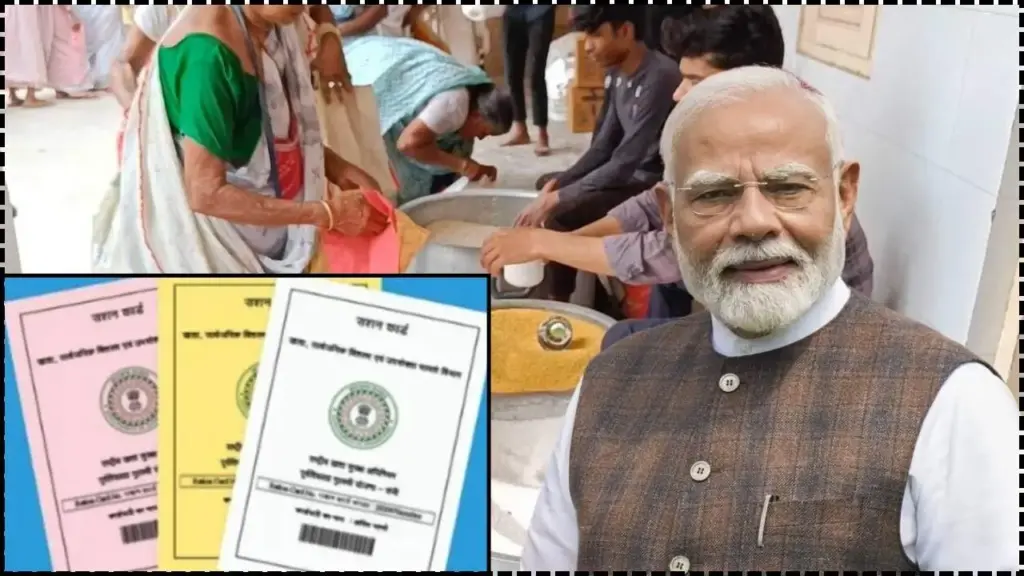
The Government of India has announced the New Ration Card List for 2025, enabling eligible households to receive 25 kg of wheat, 25 kg of rice, and kerosene oil for just ₹1 under the Free Ration Scheme. This initiative is a part of India’s ongoing efforts to ensure food security for low-income families, particularly in rural and underserved areas.
The Free Ration Scheme and the New Ration Card List for 2025 are important milestones in India’s journey towards achieving food security for all its citizens. By providing subsidized essential goods like wheat, rice, and kerosene oil, the government ensures that low-income families can meet their basic needs without falling into poverty.
With technological advancements like Aadhaar linking and ePoS systems, the scheme aims for greater transparency, reducing the chances of fraud and ensuring fair distribution. As India moves forward, such initiatives will play a crucial role in improving the lives of millions of people, especially those in rural and marginalized communities.
Introduction to the Free Ration Scheme 2025
In a bid to strengthen India’s food security system, the Indian Government has released the New Ration Card List for 2025. Through this initiative, families with valid ration cards can avail themselves of 25 kg of wheat, 25 kg of rice, and kerosene oil for just ₹1. The scheme is designed to ease the burden of food and fuel costs for economically disadvantaged families, ensuring that every citizen has access to basic essentials.
This Free Ration Scheme, a key component of the National Food Security Act (NFSA), is vital in reaching millions of Indians, especially those living in poverty, rural areas, and marginalized communities.
Key Features of the New Ration Card Scheme 2025
1. What Does the Scheme Provide?
The Free Ration Scheme 2025 offers the following benefits to eligible households:
- 25 kg of Wheat: Available at ₹1 for families listed in the updated ration card list.
- 25 kg of Rice: Similarly, available for ₹1.
- Kerosene Oil: This essential fuel is also available at ₹1 per unit.
These basic commodities, which form the foundation of everyday nutrition and cooking, will help families reduce their expenditure on essential goods. The scheme is especially important in ensuring food security for those who are vulnerable due to socio-economic conditions.
2. Eligibility Criteria
To benefit from this scheme, households must meet the following requirements:
- Valid Ration Card: Households must have a valid ration card issued under the Public Distribution System (PDS).
- Income-based Eligibility: The scheme is targeted at low-income groups, with priority given to those in Antyodaya Anna Yojana (AAY) and Priority Household (PHH) categories.
- Aadhaar Linking: To streamline the distribution process and prevent fraud, households must have Aadhaar linked to their ration card and bank account.
This ensures that subsidies are directed to the intended beneficiaries, preventing misuse of the system.
Check Your Eligibility and the New Ration Card List
To check your eligibility for the Free Ration Scheme 2025 and view the updated Ration Card List, follow these steps:
- Visit the Official Portal: Access your state’s food and civil supplies department website. Each state has its own portal to manage the PDS.
- Select the ‘Ration Card List’ Section: Look for the section where you can find the New Ration Card List 2025.
- Enter Your Details: Input your ration card number or Aadhaar number as required.
- Submit and View Results: Click on the Submit button to see if your name is included in the updated list.
- Offline Assistance: If you cannot access the portal, visit your local Fair Price Shop (FPS) or Common Service Centre (CSC) for assistance.
For states like Uttar Pradesh and Bihar, you can also check the state-specific portals or visit the nearest PDS shop to inquire about the ration card list.
The Distribution Process
The commodities under the Free Ration Scheme will be distributed through the Fair Price Shops (FPS). These shops, which are already part of the Public Distribution System (PDS), will provide the subsidized goods based on eligibility verified through Aadhaar authentication and ePoS (electronic Point of Sale) systems.
Key Features of Distribution:
- ePoS Devices: These devices ensure transparent distribution, preventing the diversion of food grains.
- Timely Access: Beneficiaries can collect their rationed goods according to the schedule set by local FPS outlets.
- Aadhaar Authentication: This is a key step in verifying the identity of the beneficiary and ensuring the correct allocation of goods.
Government’s Commitment to Rural Welfare
The Free Ration Scheme is one of the many steps the Indian government has taken to ensure the well-being of marginalized sections of society. In addition to the National Food Security Act (NFSA), the government has launched several initiatives such as Pradhan Mantri Garib Kalyan Anna Yojana (PMGKAY), aimed at alleviating hunger and supporting vulnerable groups.
Since the COVID-19 pandemic, the government has expanded the PMGKAY, providing free food grains to over 80 crore individuals. The scheme’s continuation in 2025 is a reaffirmation of the government’s long-term commitment to combating hunger and providing food security.
The Role of Technology in Ensuring Transparency
The implementation of ePoS (electronic Point of Sale) devices and Aadhaar-based authentication in ration distribution is a game-changer. These technologies help prevent fraud and ensure transparency by tracking the distribution of subsidized goods.
In states like Uttar Pradesh and Tamil Nadu, digital platforms are increasingly used to verify beneficiary details and prevent the misuse of food grains meant for the poor. The government’s push for digital inclusion will ensure that ration cards are more accessible and the distribution system is streamlined.
Related Links
Gas Cylinder Price Cut By ₹200 This Diwali – Check New Rates in Your City
Challenges in Implementation and Real-World Concerns
Despite its significant benefits, the Free Ration Scheme faces certain challenges, including:
- Digital Divide: Many rural and remote areas still face connectivity issues, making it difficult for beneficiaries to access the online portals or complete Aadhaar verification.
- Leakage and Fraud: Ensuring that the subsidized goods reach the intended recipients is an ongoing challenge. The government has made strides in reducing this with the use of biometric authentication and electronic monitoring systems, but challenges remain.
- Supply Chain Issues: Logistics and supply chain bottlenecks sometimes delay the timely distribution of goods to remote areas.
To address these concerns, the government continues to increase awareness, improve infrastructure, and provide local support through Common Service Centres (CSCs).