
Rural India is changing, and much of this transformation is happening quietly through community led efforts that focus on income security, financial independence, and self-reliance. At the center of this shift is the National Rural Livelihood Mission, a program that has redefined how rural development works in practice.
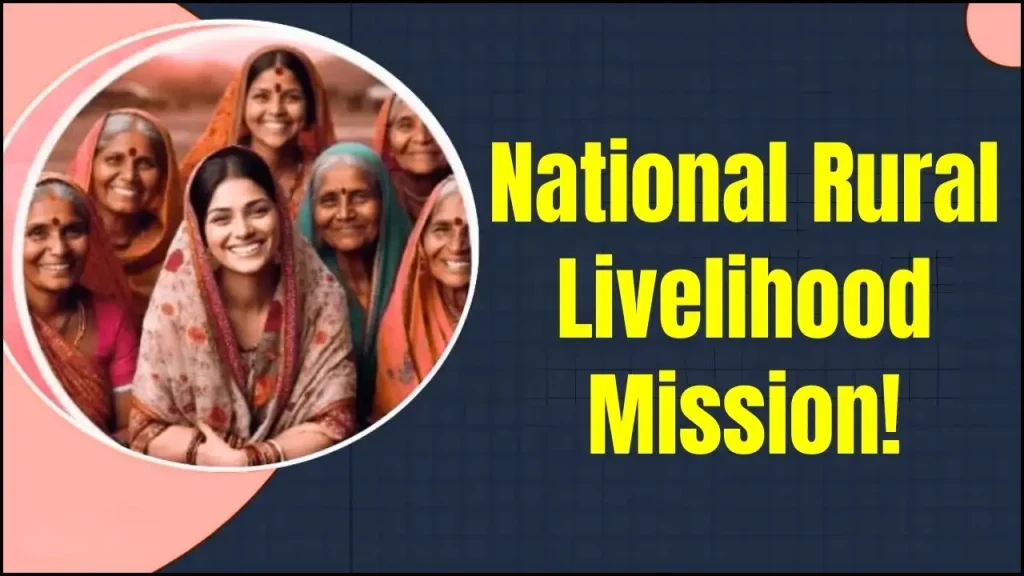
Instead of short-term aid, it emphasizes long lasting livelihood creation by empowering people to organize, save, learn new skills, and build sustainable sources of income. The National Rural Livelihood Mission has proven that when rural communities are trusted and supported, they can drive their own economic progress. What makes this mission especially impactful is its focus on collective strength. By bringing women together into Self Help Groups, the program has unlocked financial access and confidence for millions of rural households. These groups are no longer limited to savings alone; they have become hubs of entrepreneurship, leadership, and social change, helping rural families move towards stability and dignity.
The National Rural Livelihood Mission is a flagship initiative of the Government of India designed to reduce poverty and promote sustainable livelihoods in rural areas. Launched in 2011, the mission works with poor households to build strong grassroots institutions and provide them with the tools they need to improve their income and quality of life. The mission operates on a simple but powerful belief that poor households have skills, aspirations, and the ability to succeed when given access to finance, training, and markets. Rather than focusing only on financial assistance, the program builds long term capacity through social mobilization, financial inclusion, and livelihood diversification. This approach ensures that benefits continue even after direct support is reduced.
National Rural Livelihood Mission
| Aspect | Details |
|---|---|
| Program Name | Deendayal Antyodaya Yojana National Rural Livelihood Mission |
| Launch Year | 2011 |
| Implementing Authority | Ministry of Rural Development |
| Primary Focus | Poverty reduction through livelihoods |
| Core Strategy | Formation and strengthening of Self Help Groups |
| Target Beneficiaries | Rural poor households |
| Key Emphasis | Women empowerment and financial inclusion |
| Implementation Structure | State Rural Livelihood Missions |
Background Of The Mission
- Before the introduction of the National Rural Livelihood Mission, many rural development programs struggled with sustainability. They often provided short term employment or subsidies without addressing long term income stability. NRLM was created to bridge this gap by focusing on institutional development and community ownership.
- The mission evolved from earlier self employment programs but brought a stronger emphasis on women led groups, credit access, and skill development. By building a structured system of Self Help Groups and federations, the mission ensured that rural households could collectively access opportunities that were previously out of reach. This background approach laid the foundation for a scalable and flexible model that works across diverse regions of India.
Objectives Of National Rural Livelihood Mission
The National Rural Livelihood Mission works with clearly defined objectives that guide its nationwide implementation.
One major objective is to reduce poverty by enabling rural households to access stable and diversified sources of income. The mission supports both self employment and skilled wage employment based on local economic conditions. Another key objective is financial inclusion. By linking Self Help Groups with banks and formal financial systems, the mission ensures that rural families can save securely, borrow affordably, and plan their financial future. Capacity building is equally important, as members are trained in leadership, enterprise management, and technical skills that support long term growth.
Structure And Implementation Approach
- The National Rural Livelihood Mission follows a multi level institutional structure that starts at the village level and extends to district and state levels. At the base are Self Help Groups, which are formed through community mobilization. These groups are further federated into Village Organizations and Cluster Level Federations.
- This structure allows resources, training, and credit to flow smoothly while maintaining community ownership. State Rural Livelihood Missions oversee implementation and adapt strategies based on regional needs. This decentralized approach ensures flexibility while maintaining national objectives.
Role Of Self-Help Groups
Self Help Groups are the backbone of the National Rural Livelihood Mission. Typically consisting of women from similar economic backgrounds, these groups promote regular savings and internal lending. Over time, they develop financial discipline and gain eligibility for bank credit. Beyond finance, SHGs create a platform for collective learning and decision making. Members discuss household issues, livelihood opportunities, and community challenges. Many groups evolve into small enterprises engaged in agriculture, livestock, food processing, tailoring, and local services. This collective approach reduces risk and builds confidence among members.
Financial Inclusion And Credit Support
Financial inclusion is one of the strongest pillars of the National Rural Livelihood Mission. Once Self-Help Groups demonstrate consistent savings and proper record keeping, they receive access to revolving funds and community investment funds. These funds help members start or expand income generating activities. The mission also facilitates direct linkages with banks, enabling groups to access collateral free loans. Interest support mechanisms make borrowing affordable, encouraging rural households to rely on formal credit rather than informal moneylenders. This shift has significantly improved financial security in many villages.
Skill Development and Livelihood Promotion
- Skill development plays a critical role in the success of the National Rural Livelihood Mission. Training programs are designed to match local resources and market demand. Members receive support in farm-based activities such as agriculture, dairy, and fisheries, as well as non farm activities like handicrafts, tailoring, and rural services.
- The mission also supports rural youth by providing skill training aligned with employment opportunities. This dual focus on self employment and wage employment helps households diversify income sources and reduce economic vulnerability.
Women Empowerment Through The Mission
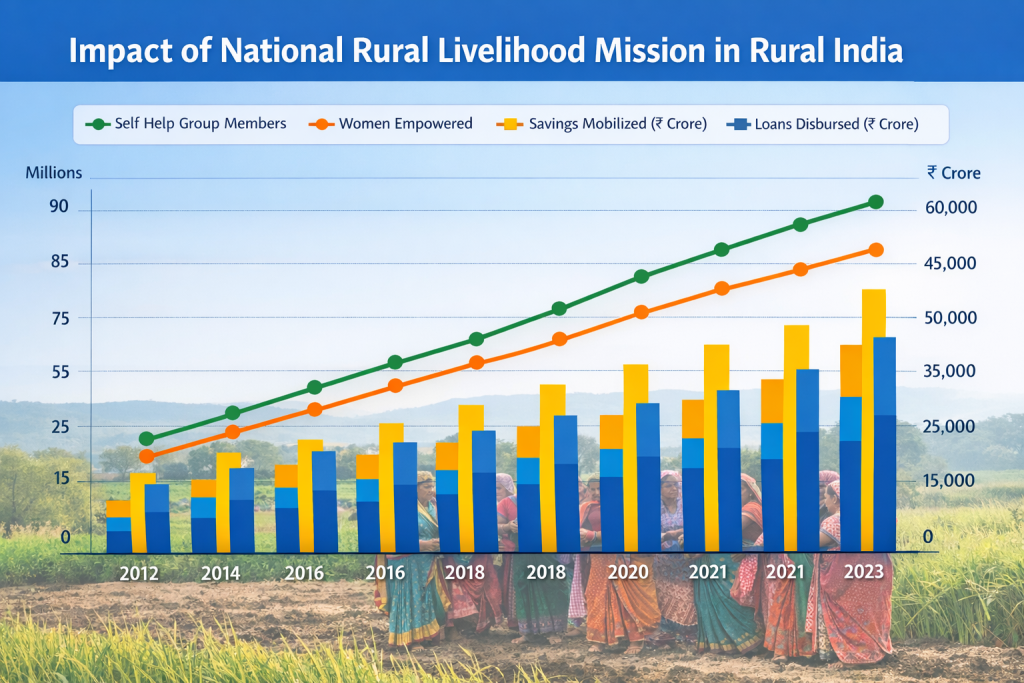
Women empowerment is at the heart of the National Rural Livelihood Mission. By placing women in leadership roles within Self Help Groups and federations, the mission has transformed social dynamics in rural areas. Women who once had limited financial control now manage savings, negotiate loans, and run enterprises. This empowerment extends beyond income. Increased confidence and collective strength enable women to participate more actively in household decisions, education planning, and local governance. The social impact of this shift has been profound, improving overall community wellbeing.
Impact On Rural Communities
- The impact of the National Rural Livelihood Mission can be seen in improved incomes, better access to credit, and stronger community institutions. Millions of households have been mobilized into Self Help Groups, creating one of the largest grassroots networks in the world.
- Communities supported by the mission are better equipped to handle economic shocks and seasonal income fluctuations. Collective enterprises and diversified livelihoods have strengthened rural economies while fostering a sense of ownership and cooperation.
E-Shram Card ₹3000 Monthly Claim — What’s True and What You Should Know
Challenges And Way Forward
Despite its success, the National Rural Livelihood Mission faces challenges such as regional disparities, market access limitations, and the need for continuous capacity building. Addressing these issues requires stronger market linkages, digital inclusion, and ongoing skill upgrades. The future of the mission lies in innovation and adaptation. Integrating technology, expanding value chains, and strengthening partnerships with private players can further enhance its impact. With sustained focus, the mission has the potential to deepen rural transformation and economic inclusion.
FAQs on National Rural Livelihood Mission
What Is the National Rural Livelihood Mission
It is a government initiative aimed at reducing rural poverty by promoting sustainable livelihoods through Self Help Groups and skill development.
Who Are the Main Beneficiaries
Rural poor households, especially women from low-income families, are the primary beneficiaries.
How Do Self Help Groups Benefit Members
They promote savings, provide access to affordable credit, and support income generating activities through collective effort.
Is The Mission Limited To Agriculture
No, it supports both farm and non farm livelihoods, including small enterprises and skilled employment.