

The JRFRY Crop Relief Scheme, introduced by the Government of Jharkhand, provides financial assistance to farmers who experience crop loss caused by natural disasters and extreme weather. Developed as an alternative to premium-based crop insurance, the programme aims to deliver faster, more transparent compensation. Officials say the scheme is central to the state’s strategy for strengthening livelihoods in climate-vulnerable agricultural regions.
Understanding the JRFRY Crop Relief Scheme
The JRFRY Crop Relief Scheme offers direct financial support to Jharkhand farmers whose crops are damaged due to events such as droughts, floods, and storms. According to the Department of Agriculture, Animal Husbandry and Co-operative (Jharkhand), the model eliminates the need for insurance premiums and focuses instead on rapid, verified compensation.
Agriculture Secretary Abu Bakr Siddique noted that the scheme “aims to prevent small farmers from falling into distress when their crops fail,” stressing that climate shocks have become more frequent and more severe across the state.
Officials say JRFRY is designed to be inclusive, covering both landowners and sharecroppers who often remain excluded from traditional insurance programmes.
Why the JRFRY Crop Relief Scheme Was Introduced
Jharkhand’s crop cycles heavily depend on monsoon patterns. Even small variations in rainfall can affect yields. Several government analyses have found rising volatility in rainfall over the past decade. According to the Jharkhand State Action Plan on Climate Change, the state has recorded more than 12 moderate-to-severe drought years since 2000.
Earlier compensation mechanisms, including the national Pradhan Mantri Fasal Bima Yojana (PMFBY), faced persistent complaints from farmers who cited delays in settlement and unclear claim procedures. Many smallholders struggled with premium payments and documentation.
The JRFRY Crop Relief Scheme attempts to resolve these issues by shifting to a post-loss compensation model rather than a pre-paid insurance model, making it easier for low-income families to access help when they need it most.
How the JRFRY Crop Relief Scheme Works
Damage Verification
Crop loss verification typically involves:
- Village-level government representatives
- Block agriculture officers
- Satellite imagery and remote-sensing reports
- Farmer-submitted photographs of affected fields
Once the inspection verifies the loss, district committees review the findings before approving compensation.
Direct Benefit Transfer
Payments are made through Direct Benefit Transfer (DBT) to minimise delays and ensure transparency. The government says DBT eliminates middlemen and reduces the possibility of manipulation.
Eligibility Rules for JRFRY Crop Relief Scheme
The scheme covers:
- Landowners with valid land records
- Sharecroppers with a consent letter from the landowner
- Farmers cultivating seasonal crops recognised by the state during the relevant agricultural cycle
Compensation Amounts
Annual compensation amounts vary depending on state budget allocations. Historically, relief has ranged between:
- ₹3,000 per acre for moderate loss
- ₹4,000 per acre for severe loss
Officials say these rates may be revised based on inflation, crop input costs, and climatic conditions.
Implementation Challenges
Although the scheme is appreciated by many farmers, several challenges remain.
Farmers in remote blocks report delays in verifying land ownership records. Limited digital literacy and poor internet connectivity slow down application processes on the scheme’s online portal.
Dr. Shruti Narain, an agricultural economist at Ranchi University, said the scheme is “a strong policy intervention but needs sustained institutional capacity at the district level.” She emphasised that the volume of applications often exceeds the ability of officials to complete assessments quickly during peak disaster periods.
Farmer groups have also called for higher compensation amounts, stating that current rates cover only a fraction of total production cost.
Digital Tools and Monitoring
To improve transparency, the government has expanded digital monitoring by using:
- Geotagged photos of crop fields
- Remote-sensing data
- Block-level weather stations
- Digital land records integrated from the Jharbhoomi database
Officials say these measures help reduce fraudulent claims and accelerate verification.
The state is developing mobile platforms to allow farmers to upload photos, report damages, and check claim status without visiting district offices.
Voices From the Ground
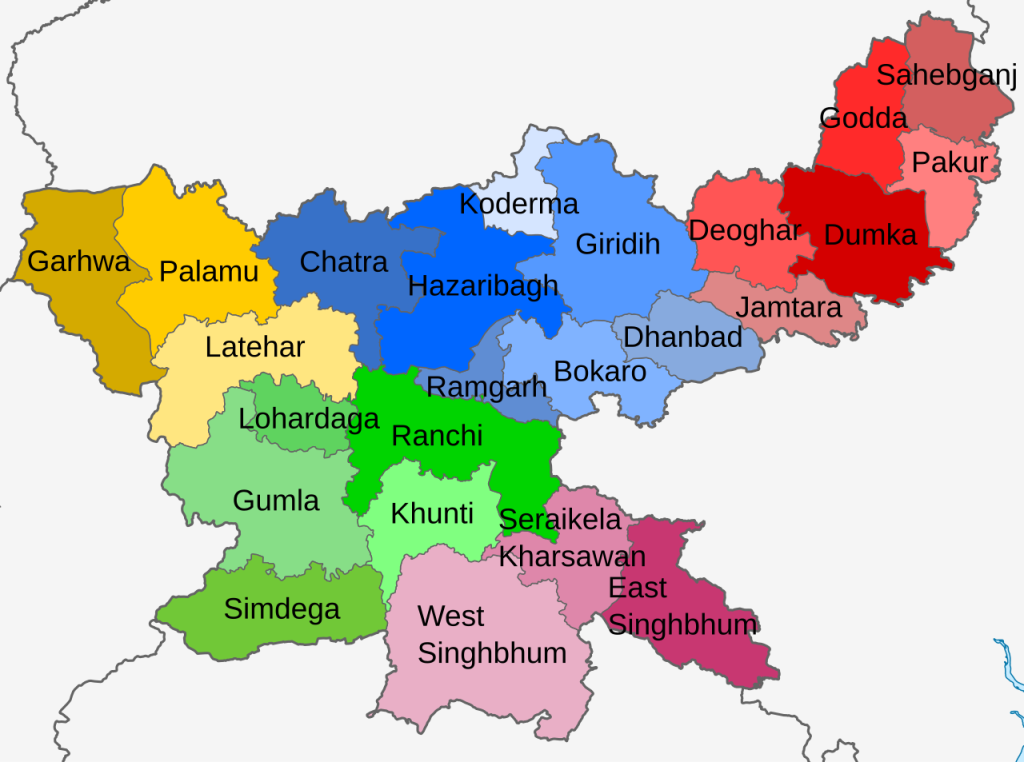
Farmers across Jharkhand have mixed but generally positive views of the scheme. “When heavy rain destroyed my maize crop, JRFRY relief helped us manage basic expenses,” said Mahendra Singh, a farmer in Hazaribagh. “We still had to borrow for the next cycle, but the support made a difference.”
Sharecroppers note that the programme finally recognises their role in local agriculture. “Earlier, only landowners got compensation,” said Rajmani Devi, a sharecropper from Latehar. “Now we can also claim relief if the landowner provides consent.”
However, some farmers argue that the process should be simpler. “Not everyone can upload documents or follow online steps,” said Birsa Munda, a smallholder from Khunti. “We need more support at the village level.”
What Experts Say About the Scheme’s Significance
Experts believe the JRFRY model could be studied by other states. According to Dr. Anup Kumar, a senior policy analyst at the Centre for Sustainable Agriculture, the scheme “reflects an important innovation in state-level risk management,” especially for regions where crop insurance enrolment is chronically low.
He noted that while the compensation is modest, the programme’s structure “reduces the entry barrier for the poorest farmers and acknowledges the reality of climate vulnerability in eastern India.”
How JRFRY Compares With National Crop Insurance
| Feature | JRFRY Crop Relief Scheme | PMFBY (National Scheme) |
|---|---|---|
| Premium Required | No | Yes |
| Compensation Based On | Verified crop loss | Relies on insurance terms and premiums |
| Beneficiaries | Landowners + Sharecroppers | Mostly landowners |
| Payment Speed | Faster (post-verification) | Often delayed due to insurer processes |
| Administrative Body | State Government | State + private insurers |
Experts say JRFRY’s simplicity is its main strength, though sustainability depends on the state’s financial capacity during bad monsoon years.
Seasonal Coverage and Crop Types
Every year, the agriculture department notifies the crops covered under JRFRY. These usually include:
- Kharif paddy
- Maize
- Pulses
- Oilseeds
- Millet varieties
- Select horticulture crops
The list may expand as officials gather more data on vulnerability patterns.
Budget Allocation and Economic Impact
The state government allocates funds annually for the scheme under its agricultural budget. For example, in previous fiscal cycles, the agriculture department earmarked several hundred crores for relief distribution.
Economists argue that such safety nets protect rural incomes and support local markets by preventing distress migration after severe crop loss. Sustained relief programmes are essential in a state where more than 60 percent of households depend on agriculture, according to Census data.
Training, Awareness, and Local Support
The state conducts training sessions with:
- Gram Sabha representatives
- Krishi Mitras
- Block agriculture officers
- CSC centres
These stakeholders assist farmers with documentation, digital applications, and follow-up queries. However, outreach varies across districts, and experts say more sustained training is needed.
Future Plans and Policy Reforms
The government has indicated plans to:
- Increase compensation amounts as input costs rise
- Expand coverage to additional crops
- Integrate weather-indexed systems for automatic alerts
- Strengthen district-level crop assessment committees
- Improve real-time monitoring through integrated portals
Many analysts believe that climate-resilient agriculture—such as drought-tolerant crops, soil improvement, and irrigation projects—must complement JRFRY for long-term impact.
New 200-Unit Free Power List Released — See If Your Home Qualifies This Month
Conclusion
The JRFRY Crop Relief Scheme marks an important policy choice for Jharkhand, shifting from conventional insurance to more accessible, state-backed compensation. While challenges remain in implementation, awareness, and funding, the programme offers critical protection for farmers confronting rising climate risks. Its success will depend on consistent funding, administrative efficiency, and continued expansion to reflect changing agricultural realities.