
The Government of Maharashtra’s Majhi Kanya Bhagyashree Yojana is a major welfare programme designed to strengthen the educational and financial future of girls in the state. The scheme aims to reduce gender inequalities by offering conditional financial support, promoting institutional education, and enabling long-term stability for girl children, especially in low-income households. It remains one of the state’s most important initiatives for improving the welfare of girls.
Understanding the Purpose of the Majhi Kanya Bhagyashree Yojana
The scheme was launched in 2016 by the Maharashtra Women and Child Development Department to address ongoing challenges faced by girls, such as lower school enrolment, health vulnerabilities, and early marriage in rural regions. According to official policy documents, the primary goal is to provide “dignified and sustainable development of the girl child through structured economic assistance.”
Dr. Lata Prabhune, a gender studies researcher at the Tata Institute of Social Sciences, said the programme helps shift social attitudes. “Economic incentives are a powerful driver for behavioural change. This scheme encourages families to value their daughters the same way they would value sons.”
Historical Context: Why Maharashtra Launched the Scheme
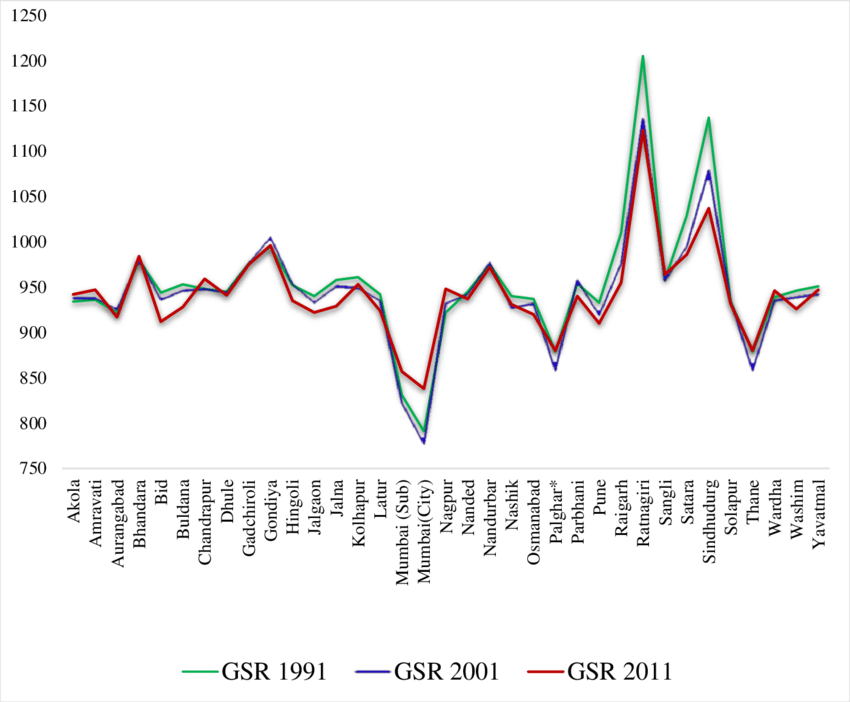
Maharashtra has struggled with an uneven child sex ratio for decades. Census 2011 data recorded 894 girls per 1,000 boys, lower than the national average. Gender-based discrimination, limited educational access, and socio-economic pressures contributed to poor outcomes for girls.
To address these gaps, the state introduced the Majhi Kanya Bhagyashree Yojana as part of a broader reform strategy. It works alongside national programmes like Beti Bachao, Beti Padhao to create stronger safety nets for the girl child.
Key Eligibility Criteria for Majhi Kanya Bhagyashree Yojana
Eligibility is clearly defined to ensure that the support reaches families who need it most.
Residency Requirement: Applicants must be permanent residents of Maharashtra with valid domicile proof.
Income Threshold: Annual family income must not exceed ₹7.5 lakh.
Limit on Number of Children: The scheme applies only to families with one or two girl children. If a third child is born, earlier beneficiaries may lose eligibility.
Family Planning Compliance: Parents must complete sterilisation within one year of the first daughter’s birth or within six months of the second daughter’s birth. Officials state this condition promotes responsible family planning and reduces financial strain on households.
Documentation Required:
• Aadhaar card
• Birth certificate
• Income certificate
• Bank passbook
• Proof of residence
• Family planning certificate
A Pune district officer noted that incomplete documentation is the most common reason for application delays.
Financial and Social Benefits Under the Majhi Kanya Bhagyashree Yojana
Fixed Deposits for Long-Term Security
Families receive a fixed deposit in the girl’s name. A single girl receives ₹50,000, while two girls receive ₹25,000 each. The amount matures when the girl turns 18. This fund can support higher education, vocational training, or other essential expenses.
Joint Bank Accounts
A joint account in the name of the mother and daughter is mandatory. This promotes financial inclusion for women and improves transparency in fund handling.
Additional Welfare Benefits
Depending on the version of the scheme, beneficiaries may also receive accident insurance coverage and limited overdraft facilities. These measures are designed to support the broader welfare of the girl child.
How to Apply for the Majhi Kanya Bhagyashree Yojana
Families can apply through the local Women and Child Development (WCD) offices or through designated online portals.
Step-by-step process:
- Collect or download the application form from the WCD Department.
- Fill in all necessary details, including parents’ information and child details.
- Attach the required documents such as Aadhaar, birth certificate, and income proof.
- Submit the form at the nearest WCD office.
- The verification process begins, including document and eligibility checks.
- Once approved, the fixed deposit is created and supplementary benefits are initiated.
Common Application Challenges
• Incorrect documents
• Delays in obtaining income certificates
• Failure to meet sterilisation deadlines
• Low awareness in remote regions
To address these issues, the government has launched awareness campaigns through Anganwadi centres and local outreach programmes.
Implementation and Ground-Level Challenges
Although the scheme is widely appreciated, ground-level implementation faces challenges.
Low Awareness
Surveys by local NGOs show that many rural families are unaware of the scheme or its requirements, affecting enrolment rates.
Cultural Resistance
The sterilisation requirement has been criticised by women’s rights groups. Advocate Sunita More said, “Linking a welfare scheme to mandatory sterilisation raises ethical questions. It prevents some families from applying despite needing support.”
Administrative Delays
Verification processes, staff shortages, and paperwork delays affect timely benefit delivery. Despite this, the government reports improvement through digital tracking systems.
Comparison With Other Girl-Child Majhi Kanya Bhagyashree Yojana
The Majhi Kanya Bhagyashree Yojana stands alongside other national and state-level initiatives.
National programmes include:
• Beti Bachao, Beti Padhao
• Sukanya Samriddhi Yojana
• Dhanalakshmi Scheme
While these programmes focus on awareness or savings, Maharashtra’s scheme provides direct financial deposits and includes strong maternal financial participation.
In comparison to schemes in Madhya Pradesh and Tamil Nadu, Maharashtra’s programme is considered more comprehensive due to its combination of financial assistance and conditions that encourage responsible parenting.
Real-Life Impact on Beneficiary Families
In Ahmednagar district, 17-year-old beneficiary Rani Deshmukh shared that the fixed deposit she will receive at 18 will help her pursue nursing education. Her mother explained, “We struggled financially after my husband fell ill. This scheme gave us hope for our daughter’s future.”
Officials also report improved school attendance among girls in several blocks where the scheme is actively implemented.
Recent Policy Revisions and the Lek Ladki Yojana
In 2023, the Maharashtra government introduced the Lek Ladki Yojana, aimed at providing more flexible cash transfers. Girls born after March 2023 may be enrolled under this new programme, while earlier beneficiaries of the Majhi Kanya Bhagyashree Yojana continue to receive benefits.
Public policy researcher Dr. Anaya Kulkarni noted that “policy shifts are designed to match evolving socio-economic needs. The long-term goal remains improving outcomes for girls, especially in low-income households.”
Long-Term Policy Implications
Experts believe that schemes like Majhi Kanya Bhagyashree can shape long-term development.
Expected social benefits include:
• Higher female literacy
• Reduction in child marriage
• Better health outcomes
• Increased participation of women in the workforce
Economists argue that investing in girls leads to improved productivity, reduced poverty, and stronger economic growth.
Free Laptop Yojana 2025: Students of Classes 9, 10 & 12 Can Apply Online for a Free Laptop
Conclusion
The Majhi Kanya Bhagyashree Yojana is a landmark welfare initiative aimed at creating a secure future for girls in Maharashtra. Through focused financial support, educational encouragement, and responsible family planning, the scheme seeks to end cycles of gender inequality. Although implementation challenges remain, government reforms and growing awareness continue to strengthen its impact across the state.