
The West Bengal government has announced a wide-ranging update to the Swasthya Sathi 2025 health insurance programme, expanding eligibility, strengthening digital verification, and adding more hospitals to the network. The scheme continues to offer ₹5 lakh of cashless coverage per eligible family each year. Officials say the latest update is meant to improve healthcare access for millions of households as medical costs and hospital claims continue to rise across the state.
What the Swasthya Sathi 2025 Update Means for Residents
The Swasthya Sathi scheme, first launched in 2016, has become one of the largest state-funded health protection programmes in India. The 2025 update focuses on improving service delivery, addressing gaps in claim processing, and simplifying the beneficiary experience. The West Bengal Department of Health and Family Welfare said in its official release that the goal of the latest update is “to ensure equitable access to quality healthcare, especially for vulnerable households.”
The scheme provides cashless treatment through a smart card issued to the woman head of the family, a feature intended to strengthen women’s ownership and visibility within household decision-making.
Evolution of the Swasthya Sathi Programme (2016–2025)
When the programme was first rolled out in 2016, it covered only specific beneficiary categories such as workers in the unorganised sector. Over the years, West Bengal expanded it to include nearly all state residents not already protected by a centrally funded or employer-supported medical scheme.
By 2020, smart card distribution had intensified, and the state strengthened its partnership with private hospitals to broaden access to specialised care. According to government figures, the scheme crossed one crore hospitalisations by the end of 2024, reflecting both rising awareness and rising healthcare needs.
The 2025 update builds on nearly a decade of reforms, introducing features aimed at modernising the scheme for an era of digital governance and increasing demand for high-cost medical treatment.
Key Features Introduced in Swasthya Sathi 2025
The 2025 update includes several reforms designed to address operational issues identified in previous audits.
Faster Digital Verification
The new Aadhaar-linked verification system is meant to reduce delays during hospital admissions. Previously, beneficiaries reported long waiting times due to manual verification. A senior health department official said the new system “reduces verification steps from several minutes to under a minute.”
Expanded Hospital Network
The state has added several private super-speciality hospitals to the empanelled list after revising reimbursement norms. The government said these revisions would reduce disputes related to pricing and improve the willingness of private hospitals to join the programme.
Health economist Dr. Ananya Mitra said the expansion “will significantly improve access to tertiary care, particularly for rural families who often have to travel long distances for treatment.”
Cashless Treatment With Zero Premium
The scheme remains free for beneficiaries. The state government pays the entire premium, continuing its policy of universal access to essential health protection for residents who are not part of other medical schemes.
Eligibility Criteria and Who Qualifies for Swasthya Sathi 2025
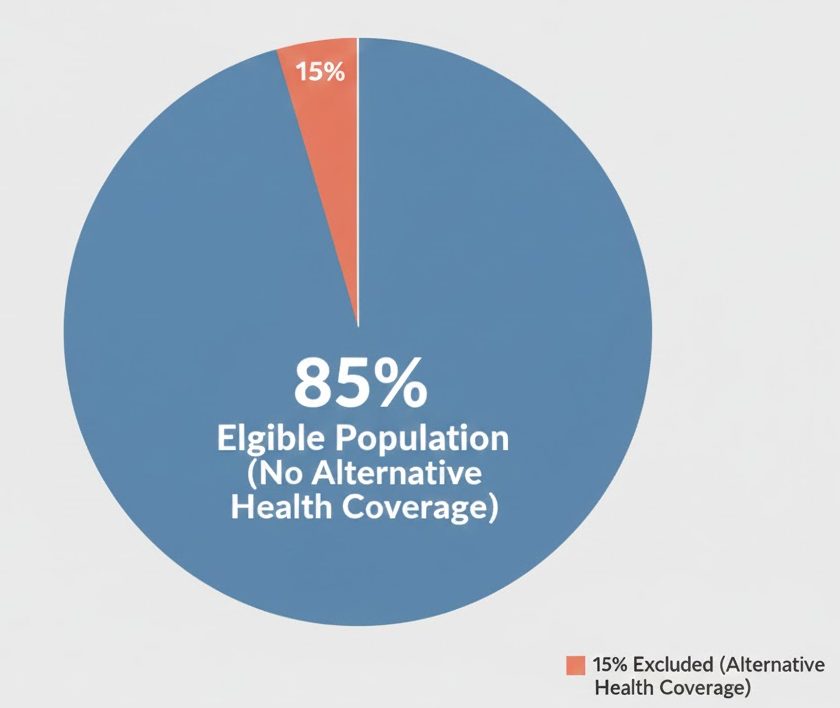
The scheme covers permanent residents of West Bengal who are not already enrolled in government-funded or employer-funded healthcare programmes. Unlike many health insurance products, Swasthya Sathi has no cap on family size.
Family Coverage Details
The smart card covers spouses, parents, children, and in many cases, dependent relatives living in the same household. Disabled dependents are eligible regardless of age.
Exclusions
Individuals covered under the Central Government Health Scheme (CGHS), Defence Medical Services, or corporate employer medical insurance continue to remain outside the scheme. Government staff receiving monthly medical allowances are also not eligible.
How to Enrol and Access the ₹5 Lakh Cover
Online Registration
Residents can register via the official Swasthya Sathi portal. Developers have improved the server capacity after earlier reports of prolonged outages during peak enrollment periods.
Offline Registration Through Camps
District authorities conduct regular enrollment camps. These camps are essential for families with limited digital literacy or unstable internet access. Officials say the camps have improved enrollment rates among senior citizens and residents in remote blocks.
Government Spending and Financial Structure
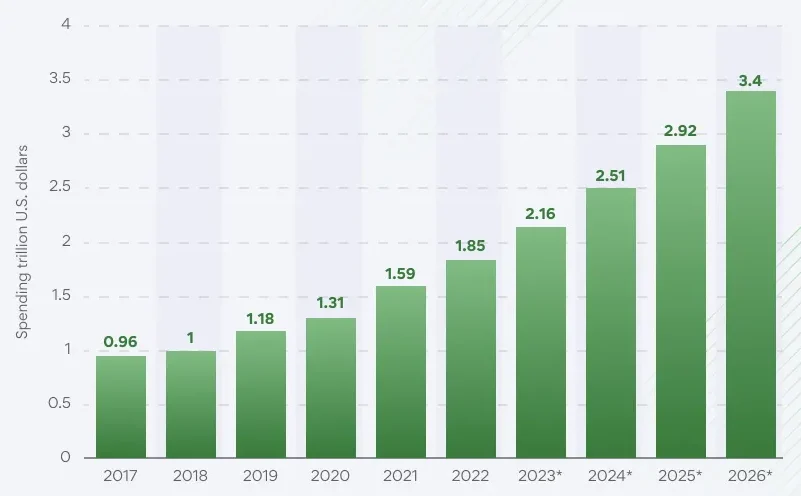
Swasthya Sathi is funded entirely by the Government of West Bengal. According to budget documents from the state health ministry, annual expenditure on the scheme exceeded ₹3,000 crore in 2023–24, and projections for 2025 suggest a further increase due to rising claim volumes.
Public finance analyst Rahul Das from the Centre for Budget Studies noted that “government-funded insurance schemes often face sustainability challenges if claim volumes surge beyond projections.” He added that West Bengal’s model “blends public oversight with private participation, which keeps the scheme flexible but requires steady fiscal support.”
Beneficiary Experiences: Real Cases Highlight Impact
Although personal stories vary, several cases illustrate the programme’s usefulness.
Case 1: Critical Surgery Saved a Family From Debt
A 48-year-old taxi driver from Howrah underwent a cardiac bypass surgery costing nearly ₹2.6 lakh at a private hospital. His wife said the Swasthya Sathi smart card “was the difference between life and bankruptcy,” as the family had no savings and no access to private insurance.
Case 2: Rural Woman Receives Cancer Treatment
A 57-year-old woman from Murshidabad received chemotherapy under the scheme. Her son reported that the treatment would have cost more than ₹4 lakh without the scheme. “We would not have been able to continue her treatment,” he said.
These examples illustrate the programme’s role in protecting families from catastrophic medical expenses—one of its central objectives.
Comparison With Other Indian State Health Schemes
West Bengal’s programme is comparable to several state-level schemes, though it is unique in certain design aspects.
Andhra Pradesh and Telangana
Both states operate large-scale cashless health coverage schemes with higher per-capita spending. Their networks include a larger proportion of private hospitals.
Tamil Nadu
The Chief Minister’s Comprehensive Health Insurance Scheme offers cashless treatment with a similar coverage limit but has stricter income and family-size criteria.
Kerala
Kerala integrates its state scheme closely with the central Ayushman Bharat programme, creating a blended model.
West Bengal, however, chose to maintain universal access for state residents rather than tightly targeted beneficiary groups.
Challenges and Criticisms
Reimbursement Delays
Private hospitals have raised concerns about late reimbursements. The West Bengal Health Association said delays “strain hospital finances and affect the quality of service delivery.”
Variation in Hospital Acceptance
Not all hospitals accept the scheme uniformly. Some hospitals reportedly limit the number of Swasthya Sathi cases due to pricing disagreements.
Awareness Gaps
A 2023 survey by a Kolkata-based NGO found that many rural families still do not fully understand how the smart card works or what procedures are covered.
The government’s new awareness campaigns aim to address this gap through community health workers and district-level outreach drives.
Future Outlook: What Experts Expect
Healthcare analysts believe that state-funded insurance schemes will become more common across India as private treatment costs increase rapidly.
Public health specialist Dr. Ranjan Gupta said, “If states invest in digital systems and strong regulatory oversight, programmes like Swasthya Sathi can significantly reduce out-of-pocket expenses and improve treatment outcomes.”
The state government has indicated that future updates will likely include better integration with telemedicine, chronic disease management programmes, and district-level monitoring systems.
E-Shram Card 2025 — Check Your Payment Status Online at eshram.gov.in
Conclusion
The Swasthya Sathi 2025 update represents a renewed effort by the West Bengal government to improve access to affordable healthcare. With digital upgrades, expanded hospital partnerships, and clear eligibility rules, the scheme aims to reduce the financial burden of medical treatment for millions of households. Its success will depend on strong management, timely reimbursements, and effective collaboration between the state and healthcare providers.