

Retiring at 63 sounds perfect early enough to enjoy your time, late enough to feel prepared but that “sweet spot” can quietly turn into a long-term financial squeeze. The combination of permanently reduced Social Security benefits, a healthcare gap before Medicare, and the risk of outliving savings makes 63 a tricky target for most households. If you’re serious about a secure, flexible retirement, you need more than optimism; you need a plan that aligns income timing, healthcare coverage, and longevity protection.

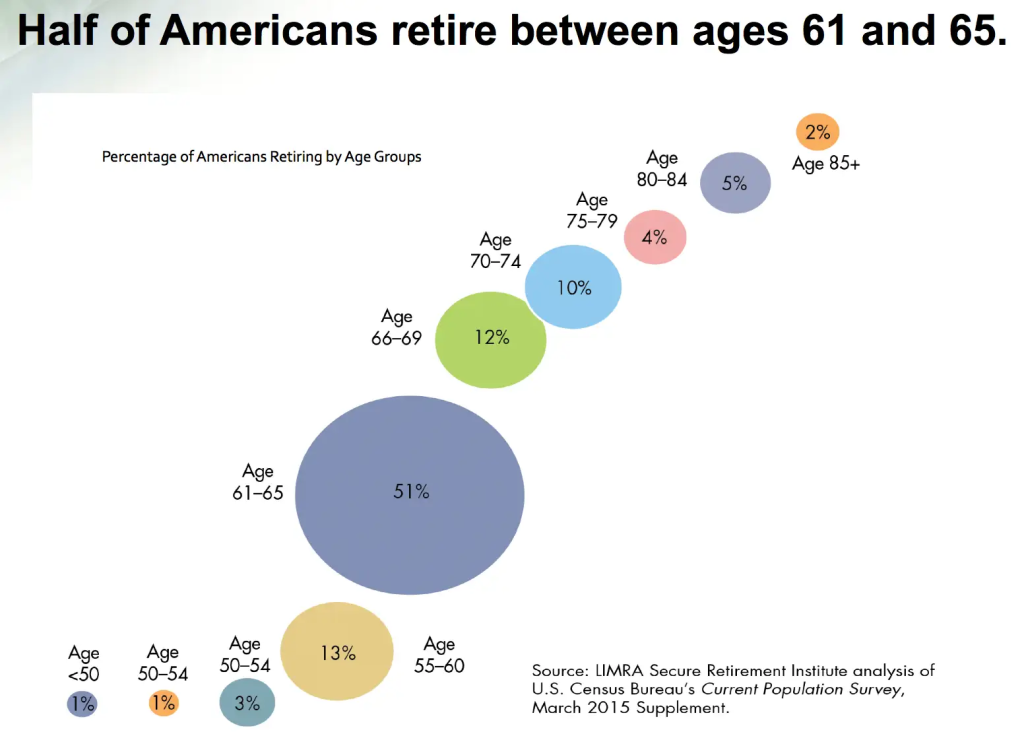
The idea that 63 is the perfect retirement age comes from cultural expectations and early eligibility cues not from a plan that protects lifetime income. Most people underestimate how much healthcare will cost before Medicare and how damaging a 25–30 year retirement can be when it starts with reduced guaranteed income. A stronger default for many is 65–67, when Medicare starts and Social Security isn’t reduced. If your health and work allow, delaying toward 70 can materially boost your monthly income and protect against longevity risk.
63 Is the Perfect Retirement Age
| Key takeaway | What it means | Why it matters |
|---|---|---|
| 63 is popular, not optimal | Sentiment favors earlier retirement | Doesn’t reflect reduced benefits and pre‑Medicare healthcare costs |
| FRA vs. early claiming | FRA is typically 66–67 | Claiming at 62–63 cuts monthly Social Security for life |
| Medicare starts at 65 | Retiring at 63 creates a coverage gap | Private/ACA plans can be expensive and increase withdrawals |
| Better window: 65–67 | Aligns Medicare with higher benefits | Reduces risk, buys more saving time and compounding |
| Delaying to 70 | Earns delayed retirement credits | Significantly higher guaranteed checks for longevity protection |
Choosing 63 because it feels right can create long-term stress: smaller guaranteed income, a costly healthcare bridge, and more reliance on markets just when sequence risk bites hardest. Unless you’ve secured strong pensions or annuity income and mapped healthcare to 65, the safer course is 65–67, with 70 delivering the biggest lifetime paycheck. If you’re set on making 63 the perfect retirement age, treat it like a project engineer the bridge, protect your withdrawals, and keep your plan flexible enough to adapt when markets and costs shift.
The Myth of the “Perfect” 63
The reason “63 is the perfect retirement age” sticks is psychological. People feel like they’ve paid in and don’t want to leave benefits on the table. The problem is that the decision is permanent: smaller checks for life and less protection if markets stumble early in retirement. When income floors are thin, every downturn feels bigger, and cutting spending gets harder.
The Social Security Haircut
Claiming in the 62–63 range reduces monthly benefits versus waiting until full retirement age. Over a 25–30 year retirement, that haircut compounds into a major loss of flexibility. For couples, early claiming can also reduce survivor benefits, leaving the surviving spouse with a smaller, less predictable income base. If you value peace of mind later, think of Social Security as insurance you want to maximize, not a bonus to grab fast.
The Healthcare Gap Before 65
Medicare doesn’t start until 65. If you retire at 63, you’re paying for private or ACA coverage for one to two years—premiums, deductibles, and out-of-pocket maximums included. Many retirees underestimate this bridge cost, and it often triggers larger portfolio withdrawals at the exact time you should be protecting principal. A realistic line item for pre‑Medicare healthcare can make or break a 63 plan.
Longevity And Lifestyle Risk
Average life expectancy hides the truth: many people live well into their 80s and 90s. Starting with smaller guaranteed income means you’ll rely more on markets and that pressure grows with each year you live. A higher Social Security base is inflation‑adjusted and lasts as long as you do, which is precisely what makes delaying so powerful if you expect to live even an average lifespan.
A Smarter Target Window
For a lot of households, 65–67 is a more resilient window. You avoid the healthcare gap, reduce the cut to Social Security, and add more years of contributions and compounding. If your health and career allow, extending work even part‑time can be the difference between a fragile plan and a confident one. Pushing to 70 isn’t for everyone, but the jump in guaranteed income can be a game‑changer for longevity protection.
When 63 Can Still Work
Retiring at 63 can be reasonable if core expenses are covered by stable income. That might include a defined-benefit pension, annuity income, or substantial assets with low fixed costs. If you also plan a deliberate bridge cash buffer, part‑time work, and a vetted healthcare plan the risks shrink. The key is that your plan should not depend on favorable markets in the first few years.
How To Pressure‑Test A 63 Plan
- Map pre‑Medicare healthcare: Price premiums, deductibles, and out‑of‑pocket maximums through 65. Don’t forget dental and vision.
- Compare claiming ages: Model scenarios at 63, FRA, and 70. Note survivor benefits for couples and break‑even ages.
- Guardrails on withdrawals: Start conservatively and use rules that ratchet spending down after bad market years.
- Build a cash runway: Hold 1–3 years of essential expenses in cash or cash‑like assets to reduce forced selling in downturns.
- Add flexible income: Part‑time work or consulting can cover healthcare or discretionary spending, protecting the portfolio.
- Tax‑optimize: Consider Roth conversions in lower‑income years before RMDs, and plan tax‑efficient withdrawals by account type.
Realities In 2025
Sentiment has shifted more Americans feel that working to 70 is unrealistic, even as retirements are getting longer. That tension is exactly why locking in reduced benefits at 62–63 can backfire. Households already anxious about savings sufficiency often need larger guaranteed income, not smaller, and more time for compounding, not less. Planning for today’s costs with tomorrow’s longevity is the edge.
Millions on SNAP Could Be Affected—Trump Officials Say This Is Why You Might Need to Reapply
Action Checklist If You’re Eyeing 63
- Build a two‑year healthcare budget to age 65 with realistic premiums and out‑of‑pocket ceilings.
- Coordinate spousal benefits so at least one earner can delay toward 70 for a stronger survivor benefit.
- Set a conservative initial withdrawal rate with annual adjustments based on portfolio performance.
- Keep at least a year of essential expenses in cash; consider two to three if markets are volatile.
- Use part‑time work to cover healthcare or discretionary travel, preserving principal.
- Revisit the plan annually: premiums, market returns, and spending needs change so should your approach.
FAQs on 63 Is the Perfect Retirement Age
Is 63 really the perfect retirement age?
It’s popular but rarely optimal. The combination of reduced Social Security and pre‑Medicare healthcare costs makes 65–67 a sturdier default, with 70 offering the strongest guaranteed income if you can delay.
How much smaller are Social Security checks if I claim early?
Claiming around 62–63 can cut monthly benefits roughly by about a third compared to waiting until full retirement age, and the reduction lasts for life.
How do I handle healthcare if I retire at 63?
Price ACA or private plans through 65, including premiums, deductibles, and out‑of‑pocket maximums. Consider part‑time income or an HSA strategy to buffer costs.
When does 63 make sense anyway?
When essential expenses are covered by pensions, annuities, or substantial assets, and you’ve built a clear bridge to Medicare with minimal portfolio strain.