
India’s central government is assessing whether to raise the retirement age, according to senior officials familiar with early-stage discussions. The review comes at a time when life expectancy is rising, pension budgets are expanding, and demographic pressures are reshaping the future of work. Although no final decision has been made, analysts say employees should prepare for possible changes in service length, benefits, and long-term financial planning.
Why the Retirement Age Is Under Review
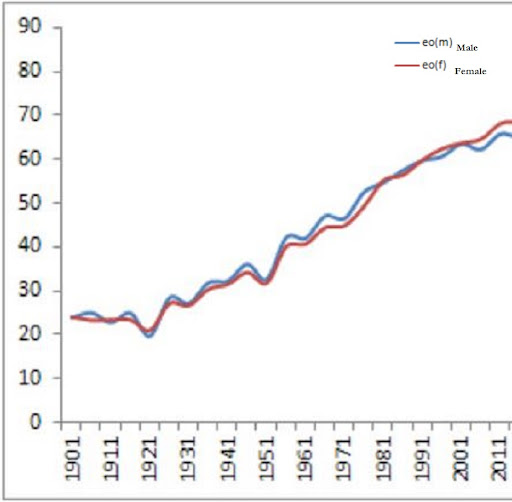
The government’s interest in reviewing the retirement age is driven by India’s shifting population structure. According to the Ministry of Statistics and Programme Implementation, India’s life expectancy has risen steadily over the past two decades. As people live longer and remain healthier, policymakers are evaluating whether the existing retirement age aligns with long-term economic and social needs.
A central government official told Reuters in early 2025 that the idea is “under careful examination,” and that the government is studying various international models before making a recommendation. The official added that any change must “balance the needs of employees with the realities of fiscal sustainability.”
Historical Context
India last raised the central government retirement age in 1998, when it moved from 58 to 60 years. Since then, periodic discussions have taken place, particularly during times of financial stress. States such as Telangana, Haryana, and Tamil Nadu have independently considered or enacted changes to manage budget demands, showing that the issue has been evolving across the country for years.
International Trends Influencing India’s Debate
Several countries have raised or are preparing to raise their national retirement ages in response to rapidly ageing populations. The United Kingdom launched a new review in 2025 to determine long-term pension sustainability. China has also begun implementing gradual increases, citing workforce shortages and shrinking pension reserves.
These examples have provided India with reference points as it evaluates its own government policy. Experts say global shifts toward longer working lives reflect broader economic pressures that India cannot ignore.
What a Higher Retirement Age Could Mean for Employees
Labour experts say a rise in the retirement age would have wide-ranging effects on employees, employers, and the overall labour market. Dr. Anita Verma, a labour economist at Jawaharlal Nehru University, said, “Extending service years can help stabilise pension systems, but it requires planning around productivity, health, and the evolving nature of work.”
Impact on Career Progression
A longer service period may delay promotions in sectors with rigid hierarchies. For younger employees, this could mean a slower pace of advancement. Analysts at the Centre for Policy Research note that organisations may need to redesign career paths, create new mid-level positions, and adopt flexible workforce strategies to maintain morale and efficiency.
Effects on Pension and Financial Planning
An increase in the retirement age would delay pension payouts under schemes such as the Central Civil Services Pension Rules. Financial planners recommend that employees revise long-term saving strategies to account for potential shifts in retirement timelines.
If implemented, the move could also offer employees two additional years of salary income, which may help strengthen personal savings, but would also require extended planning for health and caregiving responsibilities.
How a Phased Increase Could Work
Policy researchers say the government may not raise the retirement age all at once. Instead, it could adopt a phased approach, similar to models used in Europe.
A potential structure could include:
- A six-month increase every two years
- Different retirement ages for physically demanding roles
- Voluntary retirement options still left intact
- Transitional rules for employees nearing retirement
This approach would allow government departments and public-sector organisations to adjust staffing and financial planning over time.
Reactions From Labour Unions and Employee Groups
Trade unions have expressed mixed views on the proposal. The All India Trade Union Congress has argued that a higher retirement age could reduce job opportunities for young workers in an already competitive labour market. A spokesperson said, “Any rise in retirement age should be evaluated carefully to avoid stagnation in hiring and promotion cycles.”
However, some senior employee associations support the idea. They say many skilled workers are still capable and willing to continue working beyond 60, and an extension would help retain experience in sectors where expertise develops over long careers.
Impact on Women and Changing Workforce Dynamics
Experts highlight that any reform must consider gender dynamics. Women often face career interruptions due to caregiving responsibilities. Extending the retirement age could allow them additional years to build savings and qualify for stronger pension benefits.
Dr. Meera Nair, a senior researcher at the Indian Institute of Management, noted, “A higher retirement age could help close the gender pension gap, but only if accompanied by supportive workplace policies.”
Economic Implications for India
Raising the retirement age could ease pressure on the government’s pension budget, which has grown steadily in recent years. According to Union Budget data, pension expenditure accounts for a significant share of public spending, especially in states with large workforces.
Economists also point to potential benefits for the broader economy. A larger active workforce could support consumption, tax revenue, and economic stability. However, without updated training and health systems, prolonged careers may place new demands on employers.
Government Statements and Fact Checks
Speculation about a confirmed increase has circulated online, leading officials to issue clarifications. In July 2024, the Press Information Bureau stated that viral claims about an approved hike to 62 years were incorrect. As of February 2025, no ministry has issued an official notification.
A spokesperson for the Department of Personnel and Training told The Hindu that reviews are still underway and that “no timeline has been finalised.”
What Employees Should Prepare For Now
While the government continues its assessment, analysts recommend that employees:
- Review long-term financial plans
- Monitor updates from official sources
- Assess future career goals and upskilling needs
- Prepare for the possibility of extended service
Career planners say these steps can help employees adapt smoothly if changes are implemented.
Maharashtra Government Urges Ladki Bahin Beneficiaries to Complete e-KYC by November 18
Conclusion
India’s review of the retirement age reflects a broader shift driven by demographic changes, fiscal considerations, and global trends. Although the proposal remains under study, the outcome could influence millions of employees and shape the country’s workforce for decades. Clarity is expected once assessments conclude and formal recommendations are presented to policymakers.