

Farmers have been bombarded with one headline all week: DAP and urea are now free nationwide. There is big relief, but not “free at the counter.” Prices are being held down through a stronger subsidy framework, regulated urea MRP, and special support for DAP so farmers get stable, affordable bags during Rabi. It’s real savings you’ll feel at purchase, just not zero billing.

The current policy keeps urea at a low notified MRP and boosts seasonal support for DAP under the nutrient-based subsidy (NBS), with an additional special package to hold its price line. In practical terms, you’ll see DAP at an affordable MRP at your dealer and urea at its usual low price because the government is paying a larger share in the background. Think of it as budget-backed price protection, not a free distribution scheme. Check your nearest PMKSK or retailer’s MRP board and keep PoS bills to make sure you’re getting the full benefit.
Big Relief for Farmers
| Key Point | What It Means For You | Why It Matters |
|---|---|---|
| Higher P&K subsidy (including DAP) | DAP MRP held stable at retail | Protects you from global price spikes |
| Special DAP support | Extra backing beyond standard NBS | Prevents sudden DAP price jumps |
| Urea at regulated MRP | Same low, notified price per bag | Predictable input costs for sowing |
| Seasonal focus (Rabi 2025–26) | Stocks and logistics prioritized | Better availability when demand peaks |
| PoS-linked benefits | Bill and PoS record required | Ensures the subsidy reaches you |
Big Relief For Farmers — DAP And Urea Fertilizer Now Free Nationwide deliver genuine savings at the counter through a stronger subsidy shield, steady DAP support, and the low, regulated MRP on urea. It isn’t zero-price fertilizer but for Rabi, it means predictable MRPs, fewer shocks, and better planning for basal and top-dress applications. Buy from authorized retailers, check the displayed MRP, and keep your PoS receipt so the benefit fully reaches you. Use soil-test recommendations to balance NPKS and protect yields, and coordinate purchases early with your dealer or FPO to avoid last‑minute stock rushes. In short, affordability is locked in by policy so you can focus on timely sowing, smarter nutrition, and higher profitability this season.
What’s Actually Changing This Season
- DAP pricing is being steadied with higher support for phosphorus and sulphur and a continued special DAP package, so the bag price stays reasonable at retail.
- Urea continues under statutory price control, meaning the printed MRP remains low while the state pays the difference to manufacturers and importers.
- Availability is being actively managed through production planning, imports, and state-level distribution to keep stocks moving during peak sowing.
How To Use This Policy To Your Advantage
- Plan purchases by crop stage: lock in DAP for basal dose and align top dressings with urea schedules to avoid last-minute rush.
- Buy from PMKSKs or authorized retailers and always insist on a printed invoice and PoS receipt.
- Keep an eye on dealer MRP boards; they must display current bag prices for DAP, NPKS, and urea.
- Coordinate at FPO level for pooled procurement to reduce transport frictions and ensure timely delivery.
Focus On Balanced Nutrition, Not Just Cheap Bags
- Don’t over-apply urea or DAP. Follow soil test-based recommendations and apply the right NPKS balance for your crop and region.
- For mustard, wheat, and chana in Rabi, match basal phosphorus needs sensibly; then split nitrogen dose for efficient uptake.
- Consider adding sulphur and micronutrients where soils test low; these are often the hidden yield limiters.
What Retailers and FPOs Should Do
- Display updated MRPs clearly for Bharat-branded and other approved fertilizers.
- Match PoS transactions with invoices and keep daily stock registers clean and audit-ready.
- Share weekly stock and demand status with district agri offices so replenishment can be scheduled before shortages occur.
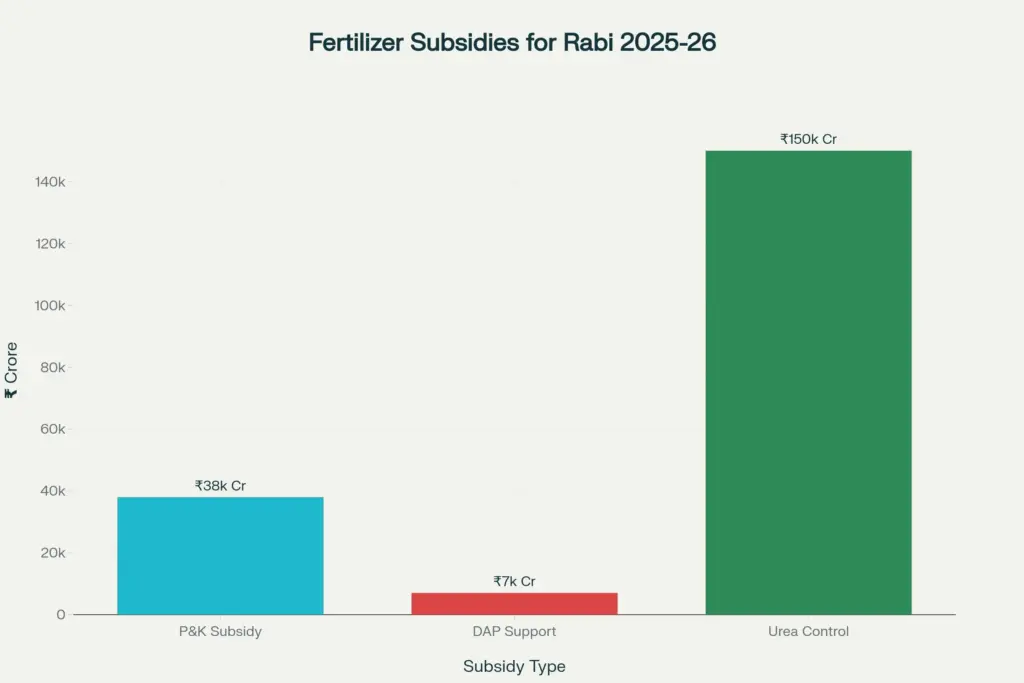
Myth-Busting The “Free Fertilizer” Claim
- There’s no nationwide notification making DAP or urea free at retail. The relief is via stronger subsidies that hold MRPs steady.
- If a message says “free for all,” verify locally. District agriculture offices and PMKSKs publish valid price displays. Trust those over viral forwards.
Practical Buying Checklist For Farmers
- Check MRP board before paying.
- Confirm bag seal, batch number, and weight.
- Take the PoS slip and invoice; keep them safe.
- Report any overcharging or stock hoarding to your block agriculture officer.
Senior Citizens Card 2025 — 7 Major Benefits Announced for Elderly Citizens
Here’s the crisp takeaway behind Big Relief for Farmers, DAP And Urea Fertilizer Now Free Nationwide: the government has tightened the price shield this Rabi, so you get affordable DAP and the same low- MRP urea, consistently, without last-minute surprises. It’s not zero-price fertilizer, but the end result for your pocket is meaningful—price stability when you need it most. Use soil tests, plan basal and top dressings correctly, and always buy with a PoS receipt to capture every rupee of benefit.
FAQs on Big Relief for Farmers
Is DAP really free now?
No. DAP is subsidized heavily so the MRP stays affordable. You still pay at the counter, but much less than the true cost because of government support.
Is urea free nationwide?
No. Urea remains under statutory price control with a low notified MRP. Farmers pay that MRP; the government pays the rest to producers.
Will DAP stay near its current price through Rabi?
That’s the intent. Seasonal support is designed to keep DAP steady during the high-demand window. Always verify the displayed MRP at your dealer.
How can I make sure I get the full benefit?
Buy from authorized retailers, check the MRP board, and keep your PoS and invoice copies. Benefits are anchored to actual PoS sales.
How do FPOs plan fertilizer procurement better?
Forecast by crop acreage, secure allotments with distributors in advance, stagger deliveries to match sowing peaks, and maintain clear PoS-linked records for every member transaction.
What are common signs of substandard or fake fertilizer?
Damaged or unsealed bags, inconsistent granule size, unusual odor, or missing batch and manufacturing details. Reject such bags and report immediately to authorities.
Is there a benefit in buying through PMKSKs versus private shops?
PMKSKs and authorized dealers follow standardized PoS billing and MRP display norms, improving transparency and grievance redressal if issues arise.