
The Short answer is no, the ₹5 coin has not been discontinued, and you can keep using it at shops, banks, and for everyday transactions without hesitation. The confusion largely comes from people mixing up two separate things: stopping minting of an older thick ₹5 coin variant, and the legal tender status of the ₹5 denomination as a whole. The ₹5 denomination remains valid and accepted nationwide.
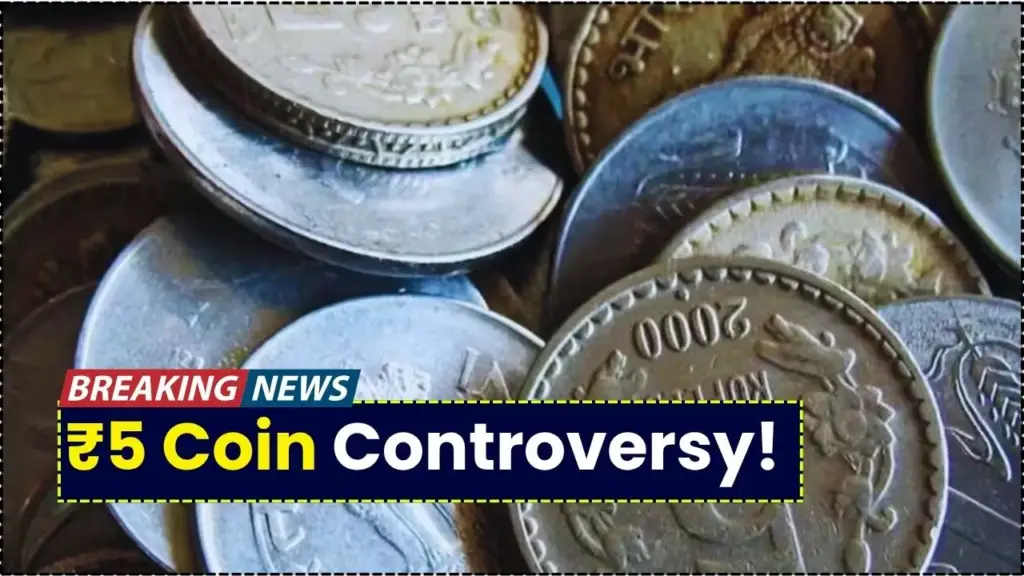
Let’s clear this up properly. The phrase “₹5 coin discontinued” keeps popping up because the thick, older ₹5 coin stopped being minted for economic and misuse reasons, but that decision did not withdraw or invalidate the ₹5 denomination. India’s coin policy allows multiple designs and compositions to coexist in circulation, and legal tender status does not depend on a specific design. In plain terms, the ₹5 coin remains legal tender and should be accepted, whether you’re paying at a local kirana or depositing at a bank.
₹5 Coin Controversy
| Point | Current Position |
|---|---|
| Legal Status | ₹5 coins remain legal tender; you can use them for payments and deposits. |
| Design Differences | Older thick coin’s minting stopped; brass ₹5 coins continue in circulation. |
| Reason For Rumors | People confuse “stopped minting a design” with “not legal tender anymore.” |
| Acceptance At Banks | Banks are instructed to accept coins at counters for transactions and exchange. |
| Practical Limits | Coins of ₹1 and above are generally accepted up to ₹1,000 per single transaction. |
| Authority And Policy | Government mints coins; RBI manages distribution and directs banks on acceptance. |
The ₹5 coin is not discontinued. The only change was ending minting of one older, thick design for economic and misuse reasons; the brass ₹5 coin continues. Legal tender status applies across valid designs, banks are instructed to accept coins, and the public can keep using ₹5 coins for everyday payments with confidence.
What Actually Changed
Two broad styles of ₹5 coins have been seen in circulation: the earlier thick, heavier piece and the brass ₹5 coin that’s common now. The older thick coin became uneconomical and vulnerable to misuse because the metal value and melting risks created incentives for illegal arbitrage. As a result, minting shifted away from that version, not because the ₹5 denomination was banned, but because composition and cost needed optimizing. The brass ₹5 coin continues without any validity issues.
How Legal Tender Works In Practice
Legal tender status comes from the law and RBI guidance, not from social media chatter. In India, coins of ₹1 and above are legal tender up to a practical cap per transaction, which is why small businesses often draw the line at bulk coin payments. Also, designs can change over time; coins can be different sizes, metals, or themes and still remain valid. This is normal, because coins last longer than notes, so multiple designs coexist for years.
Why Banks Must Accept Coins
Banks are repeatedly instructed to accept coins at their branches for both exchange and deposits. This is critical to stop a cycle where bank refusals lead to shopkeepers refusing coins, which then inconveniences the public. When a bank declines coins, customers can escalate to branch managers or nodal officers. The policy intent is clear: coins of valid denominations must be accepted, and banks are responsible for giving the public a smooth channel to deposit or exchange them.
Why The Rumor Keeps Coming Back
The cycle is familiar: a video or forward claims the ₹5 coin is banned; the claim spreads; people start refusing coins; and then authorities have to re-clarify. The root error is mixing up an operational minting decision with a legal tender decision. Ending production of a specific design or composition doesn’t mean the denomination is invalid. The outcome is predictable: confusion, refusals, and then clarifications reaffirming that coins remain legal tender across designs.
How To Handle Refusal In Real Life
If a shopkeeper refuses ₹5 coins, the most effective approach is calm and factual. Explain that the ₹5 denomination is valid legal tender and that different coin designs can circulate together. If a bank teller refuses coins, request the branch manager, mention that banks are instructed to accept coins, and ask to record a complaint if needed. For smoother transactions, keep coin quantities reasonable and ready bagged or counted so acceptance is quick and practical for both sides.
Daily Use Tips That Actually Help
- Keep using brass ₹5 coins; they’re valid and widely accepted.
- Don’t equate “stopped minting older thick coins” with demonetisation or a ban.
- For larger coin totals, pre-count and pack in sets (like lots of 100) to speed up acceptance.
- If you run a business, post a small notice that coins are accepted within reasonable limits to avoid friction at the counter.
- For bank deposits, be ready to present coins by count or weight, as per branch practice.
People search “₹5 coin discontinued” when a rumor suggests a government order has invalidated the coin. Here’s the real story: the older thick ₹5 coin’s minting was stopped due to economic and misuse concerns, but brass ₹5 coins continue and the ₹5 denomination remains legal tender. Multiple designs circulating together is expected, because coins last long and design updates are periodic. The policy goal is convenience, cost-efficiency, and trust in small change—not sudden bans on working denominations.
Up-To-Date Context For 2025
In 2025, the practical reality at counters and branches is steady: brass ₹5 coins are circulating, and the acceptance environment is stable when policy guidance is followed. The broader coinisation policy continues for small denominations, with banks expected to facilitate exchange and deposits. Where localized refusals occur, escalation channels exist, and awareness efforts help restore normal acceptance. Nothing in 2025 policy indicates a blanket withdrawal of the ₹5 denomination from legal tender.
FAQs on ₹5 Coin Controversy
Is The ₹5 Coin Discontinued In India?
No. The ₹5 coin remains legal tender. The thick, older version was phased out of minting, but brass ₹5 coins continue in circulation and acceptance.
Can A Shop Or Bank Refuse ₹5 Coins?
Banks are instructed to accept valid coins, and shops should accept them for day-to-day payments. If you face refusals, keep quantities reasonable and request escalation at the branch if necessary.
Why Are There Different Designs Of ₹5 Coins?
Coins last a long time, and designs or compositions can change over the years. Multiple designs can legally circulate together without affecting validity.
How Can I Quickly Verify Claims About The ₹5 Coin?
Ignore forwards and look for official guidance. If there’s no public notice of withdrawal or demonetisation from authorities, assume validity remains unchanged.