
f you’re a young person in Maharashtra hunting for quick ways to land a solid job, keep reading because PM Modi to launch short-term skill courses in Maharashtra is the news that’s got everyone buzzing right now. This 2025 program isn’t just another announcement it’s a real shot at turning skills into paychecks for thousands of youth facing tough job markets. With unemployment hovering around 8% for urban youth in India this year, initiatives like these from PM Modi to launch short-term skill courses in Maharashtra could flip the script, especially in a state leading with 84% employability rates per the India Skills Report 2025.
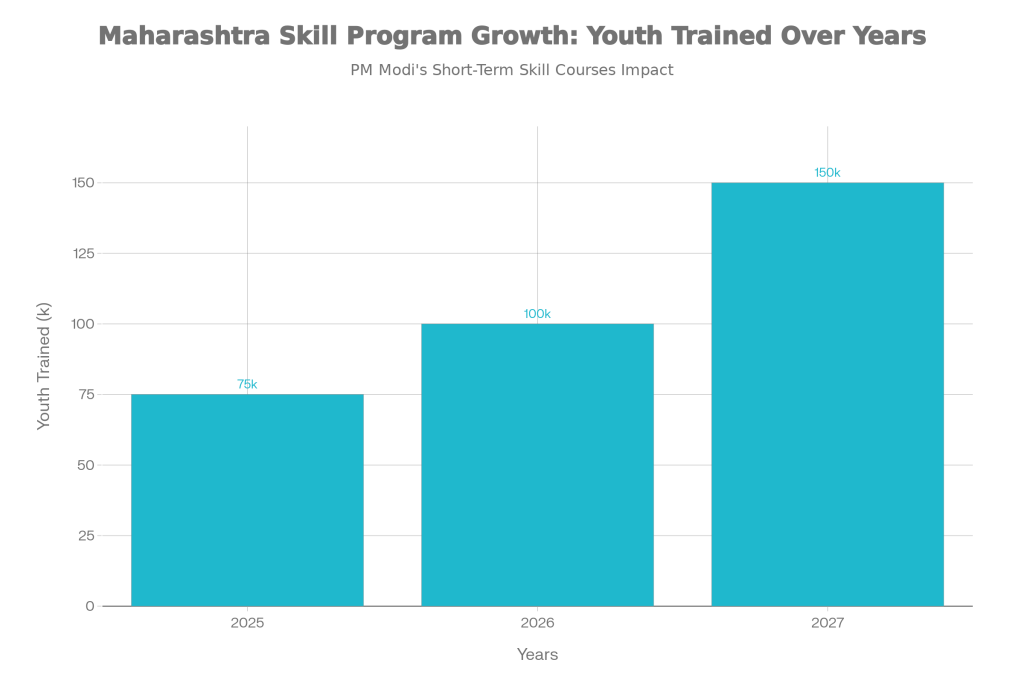
Picture this: PM Modi stepping in to kick off a statewide push that trains 75,000 youth in their first year alone, ramping up to one lakh next year through practical, industry-matched courses. These short-term skill courses target everything from AI basics to EV repairs, all run in existing ITIs without fancy new builds. It’s smart, cost-effective, and laser-focused on job readiness, helping Maharashtra stay ahead in futuristic sectors like green energy and drones. Youth get certified fast; employers get ready talent win-win for closing that nagging skills gap that’s left so many grads sidelined. Launched in early October 2025, the program has already seen thousands register, proving its pull in a competitive job scene where hands-on skills trump paper degrees every time.
PM Modi to Launch Short-Term Skill Courses in Maharashtra
| Key Aspect | Details |
|---|---|
| Target Trainees | 75,000 youth per year, rising to 1 lakh next year |
| Launch Date | Inaugurated by PM Modi; batches from October 9, 2025 |
| Locations | 419 Govt ITIs + 141 technical schools; 2,506 batches |
| Eligibility | Class 10/12 pass, ITI/diploma/degree holders |
| Fees | Rs 1,000–5,000/month; online admissions via dvet.gov.in |
| Special Focus | 364 women batches; 408 emerging tech batches |
Courses To Begin Across Maharashtra From October 9, 2025
- Starting October 9, classes fire up in 419 government ITIs and 141 technical schools, with 2,506 batches spread out so no one misses out urban Mumbai kids or rural Gadchiroli folks. They smartly use off-hours slots, reserving 25% for current students and opening the rest to anyone eligible from Class 10 up. Jump online at the DVET portal, pay a modest fee, and you’re in. This setup makes short-term skill courses super accessible, dodging long commutes or high costs that often block real training.
- Early buzz shows registrations pouring in, with first placements already eyed for sectors booming post-2025 budgets. It’s not theory-heavy degrees; think hands-on sessions that wrap in months, prepping you for interviews right away. For instance, a kid from Nagpur could learn drone piloting and start freelancing gigs within weeks, while a woman in Pune picks up solar panel installation for steady local work. The program’s design ensures quick turnaround, aligning with Maharashtra’s push to become India’s skill capital by 2030. Rural areas get special attention too, with batches in places like Latur and Amravati tailored to local industries like agriculture tech and manufacturing. This broad rollout means more youth stepping into jobs faster, reducing the usual wait time from years to mere months.
Skill Development Minister Highlights Objectives
Minister Mangal Prabhat Lodha laid it out plain: this programs about matching youth skills to what factories and startups actually need, from women in tech to rural self-starters. He wants Maharashtra topping national charts for employable talent, blending jobs with side hustles like drone services or solar installs. With over 60% of the state’s population under 35, it’s prime time to cash in on that demographic edge before it slips.
Lodha’s vision ties into bigger goals, like making every trainee “industry-ready” amid 2025’s push for EV hubs and AI centers. CEOs from top training firms are already praising how it skips the four-year degree trap for faster career jumps. The minister emphasized inclusivity, noting how short-term skill courses empower marginalized groups women, differently abled, and tribal youth who often get overlooked in traditional education. By focusing on employability over rote learning, the initiative addresses India’s broader skills crisis, where 70% of engineering grads remain unplaced. Lodha shared stories from pilot runs, where trainees landed gigs in local MSMEs right after certification, proving the model’s real-world punch. This isn’t just talk; it’s a blueprint for sustainable job growth in a state contributing 15% to India’s GDP.
Utilizing Existing Infrastructure And Online Admissions
- No need for massive new campuses these short-term skill courses squeeze into spare ITI capacity, keeping things lean and statewide. Online admissions cut red tape; just log in, pick your batch, and pay up front. Fees stay pocket-friendly at 1,000 to 5,000 rupees monthly, drawing in jobless grads, dropouts, and career switchers alike.
- This model hits remote districts hard, like Latur’s divyang-friendly ITIs or Amravati’s advanced welding spots. Result? Broader reach, lower dropout rates, and youth building resumes without breaking the bank. Think about it: a farmer’s son in Solapur accesses EV training via his phone, no travel needed. The digital portal tracks applications in real-time, ensuring transparency and quick approvals. By leveraging 560+ existing facilities, the government saves crores while scaling impact smart policy at work. Parents love it too, as kids upskill without quitting family duties. Over time, this infrastructure hack could inspire other states, turning Maharashtra into a national template for efficient skilling.
Opportunities in Short-Term Skill Courses in Maharashtra
Dive into additive manufacturing, drone piloting, electric vehicle tech, solar setups, cybersecurity basics, IoT gadgets, AI intros, green hydrogen, mobile repairs, even social media influencing. Traditional trades get upgrades too, like aerospace fitting or Vedic event staffing for Nashik’s Kumbh. Each course runs short weeks to months for quick certification that bosses value.
These aren’t random picks; they’re tuned to 2025 job trends, where EV roles alone could add lakhs of openings as India races to 30% electric fleets by decade’s end. Freshers walk out with portfolios that scream “hire me.” For example, cybersecurity modules teach ethical hacking basics, perfect for the 5 lakh job shortfall projected nationally. Drone courses cover surveying and delivery, tapping into logistics booms. Women-focused AI batches build confidence for tech roles, while green hydrogen preps for energy transitions. Trainees practice on real equipment, gaining that edge over self-taught peers. Certification bodies like NSDC validate skills, making resumes stand out in crowded hiring halls.
Programme Highlights And Special Initiatives
- Standouts include 364 women-only batches and 408 in cutting-edge fields like AI and renewables. Dadar’s ITI runs semiconductor training for ladies, Vadhavan’s port preps drivers, and Vishwakarma artisans guest at launches to blend old crafts with new tech. Differently-abled get dedicated slots, ensuring inclusivity across the board.
- Over 600 launch spots honored local experts, firing up community buy-in. It’s this mixes modern plus rooted that positions the program as a 2025 game-changer for diverse youth groups. Special tie-ups with events like Kumbh Mela offer niche skills like crowd management, blending culture with employability. Port driver training at Vadhavan aligns with mega-infra projects, promising immediate jobs. Semiconductors focus at urban ITIs targets chip hub ambitions, while rural green energy batches spur self-employment in solar farms. Guest sessions from industry pros add mentorship, boosting confidence and networks. These touches make the program feel personal, not bureaucratic.
Solar Panel Yojana 2025: Install Solar Panels for Just ₹500 and Get Free Power for 25 Years
Maharashtra’s Growth in Futuristic Industries
- Maharashtra’s already job king with 84% employability; these short-term skill courses cement that lead in EVs, drones, and AI, where demand outstrips supply by 40% nationally. Trained youth fuel startups and giants alike, sparking economic ripples think more factories in Nagpur or solar farms in Solapur.
- By 2026, expect placement rates hitting 70-80% as firms partner directly. It’s building a workforce that doesn’t just fill seats but drives innovation, keeping the state ahead in India’s skill race. The program dovetails with national pushes like Make in India, positioning Maharashtra for semiconductor parks and EV corridors. Youth gain global edges, freelancing on platforms like Upwork with drone certs. Local economies boom as skilled workers spend more, creating multiplier effects. Long-term, it could lift GDP growth by 2-3% through better productivity. Critics say scale-up is key, but early wins like 500+ placements in pilots silence doubts.
- Wrapping up, if you’re eyeing stability amid 2025’s shifts, these courses from PM Modi’s launch are your shortcut. Batches are live register today and turn skills into jobs before spots vanish. Maharashtra’s youth edge just got sharper. Share your thoughts: have you signed up, or know someone who should? Let’s chat in the comments.
FAQs on PM Modi to Launch Short-Term Skill Courses in Maharashtra
When did PM Modi launch the short-term skill courses in Maharashtra?
PM Modi inaugurated the program in early October 2025, with batches starting October 9 across ITIs and technical schools.
Who can apply for these Maharashtra skill courses?
Class 10 or 12 pass-outs, ITI holders, diploma students, or graduates qualify just register online via DVET.
What jobs will these short-term skill courses prepare me for?
Roles in EVs, drones, AI, solar, cybersecurity, and more, with certifications boosting hires in high-demand 2025 sectors.
Are the courses free, or do they cost money?
Fees range from Rs 1,000-5,000 per month; no full free rides, but affordable compared to private training.