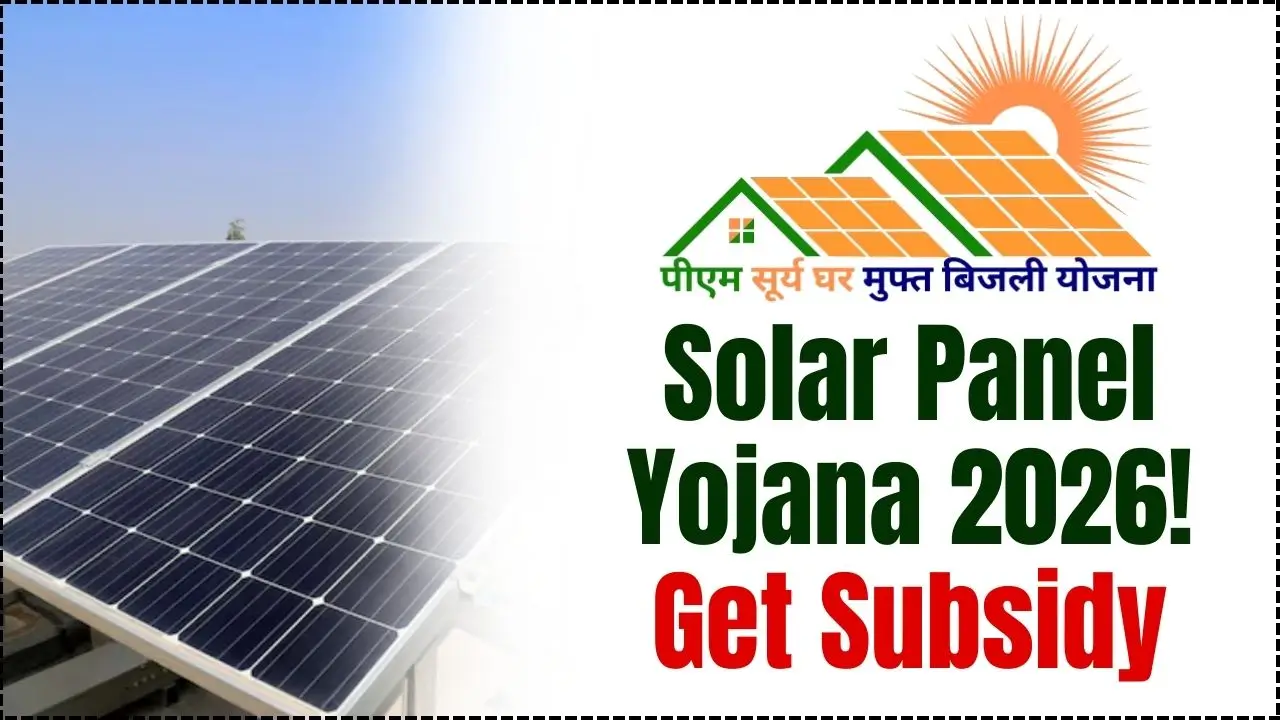

If you’re looking to lock in 300 units of free power in 2025, the good news is the pathway is now predictable and practical for regular households. Between the central rooftop-solar push and state-level electricity bill credits, you can get real, recurring savings—provided your paperwork is clean, your consumption fits the cap, and your application is mapped correctly to your electricity connection. Free Electricity 300 Units Scheme 2025 is the phrase everyone’s searching for this year, and it reflects two tracks working together: a central solar-backed route that enables up to 300 units a month when your rooftop system is commissioned, and state-run beneficiary rolls that auto-credit or approve relief for eligible consumers. If you’ve been on the fence, 2025 is the year to complete KYC, choose the right system size, and align your DISCOM profile so the credits actually show up in your bill.
For most families, the journey begins on the official rooftop solar portal or your state/DISCOM site, where you register with your consumer number and basic KYC. From there, it’s a straightforward flow: eligibility checks, vendor selection, installation, inspection, commissioning, and then monthly bill credits that offset up to 300 units. Keep an eye on processing timelines and ensure your documents Aadhaar, latest bill, bank account, and rooftop ownership/NOC match your service connection details to avoid delays.
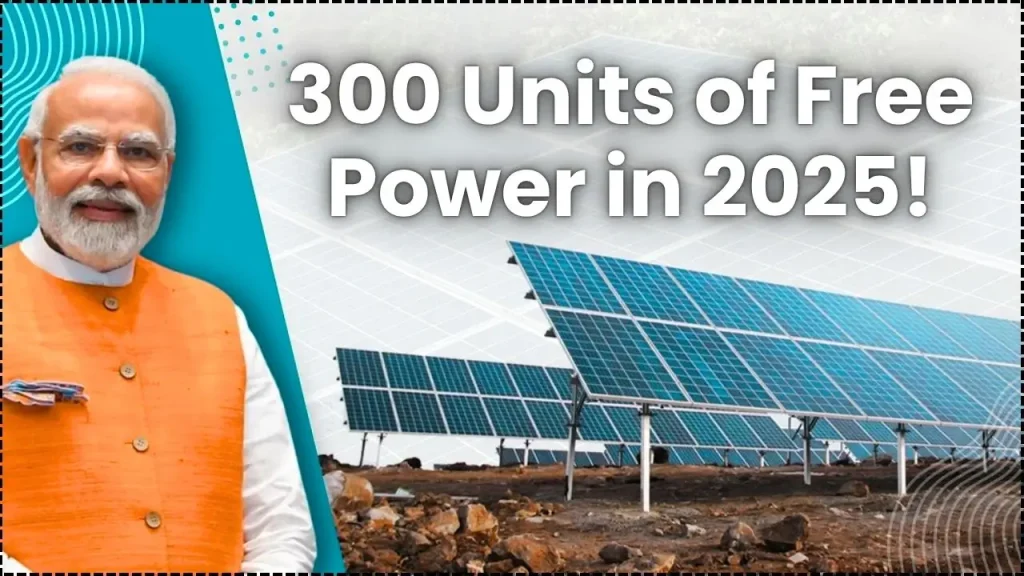
300 Units of Free Power in 2025
| Item | Details |
|---|---|
| Scheme Backbone | National rooftop-solar pathway enabling up to 300 free units per month when the system is commissioned and mapped to your residential connection. |
| Implementing Layers | Central solar route plus state electricity department/DISCOM credits for eligible categories like BPL/low-income. |
| Eligibility Basics | Residential consumer, valid connection, suitable rooftop for solar (central path), plus state income/BPL norms where applicable. |
| Monthly Benefit | Up to 300 units free per billing cycle once eligibility is confirmed and benefit is active. |
| Documents | Aadhaar, latest bill, bank details, rooftop ownership/authorization, income/BPL proof where required. |
| Where To Apply | National rooftop portal and state/DISCOM portals with application tracking dashboards. |
| Typical Timelines | Application and feasibility in weeks; installation and net-metering depend on DISCOM/vendor capacity. |
To actually see 300 units of free power reduce your monthly bill, complete the rooftop solar onboarding, keep DISCOM KYC impeccably matched to your documents, and confirm your presence on your state’s refreshed beneficiary list. With the right system size and clean paperwork, the Free Electricity 300 Units Scheme 2025 can convert from promise to predictable savings all year.
Eligibility Criteria to Get 300 Units of Free Power in 2025
The cleanest approvals happen when three boxes are ticked: your consumer details match KYC, you have a suitable roof or authorization for installation, and you meet any state-specific income or category targeting. If your household’s usage typically falls within 300 units, credits are predictable; if usage exceeds the cap, the differential is billed normally. Also, keep dues cleared pending balances often stall list inclusion or credit activation.
Major Benefits of the Free Electricity 300 Units Scheme
- Direct monthly savings: Up to 300 units credited can wipe a big chunk off your bill, with the exact rupee impact depending on your tariff slab.
- Bill stability: Rooftop generation plus credits smooths monthly expenses, which helps financial planning for families and seniors.
- Transparent status tracking: Portals now show application, inspection, commissioning, and credit status, reducing guesswork and repeat visits.
Step-By-Step Application Process for 300 Units of Free Power in 2025
- Register on the official portal: Create an account, choose your state and DISCOM, and add your consumer number to start the application.
- Upload documents: Aadhaar, latest bill, bank details for subsidy/credit, and rooftop ownership proof or NOC if you’re a tenant or in a society.
- Technical feasibility: Wait for DISCOM feasibility approval, then select an empaneled vendor who handles installation and paperwork.
- Net-metering and inspection: After installation, DISCOM inspects, installs or configures the net meter, and issues commissioning approval.
- Credits begin: Your bills reflect rooftop generation offsets and up to 300 units of monthly credits once your connection is tagged as eligible.
States Implementing The Scheme
States handle the on-ground delivery of free-unit credits and beneficiary rolls, often prioritizing BPL or low-income segments. Some states auto-credit eligible users if KYC and connection records are matched; others require an application on the state portal or at the local office. Always check your DISCOM’s latest circulars and district-wise updates, as coverage caps and categories can differ by state and may refresh quarterly.
Documents Required to Get 300 Units of Free Power in 2025
- Identity and address: Aadhaar and a residence proof that aligns with your service connection profile.
- Connection details: Latest electricity bill showing consumer number, sanctioned load, and tariff category.
- Banking: Account details for subsidy and reconciliation of any credits.
- Ownership/authorization: Title document or NOC from owner/society for rooftop use.
- Income/BPL proof: State-specific requirement for inclusion or prioritization in beneficiary lists.
How Households Can Join the Updated Beneficiary List
- Finish the solar path: Complete registration, feasibility, vendor onboarding, installation, inspection, and commissioning. Your DISCOM tags your connection for credits after commissioning.
- Keep KYC synced: Ensure name, address, and consumer number match across your documents and portal profile. Mismatches are a common reason for missing from lists.
- Verify presence: Look up your consumer number in the latest beneficiary roll or dashboard. If absent, submit a grievance and re-upload corrected documents.
- Maintain eligibility: Clear any pending dues quickly, and keep your average consumption within the cap if your state has category-based limits.
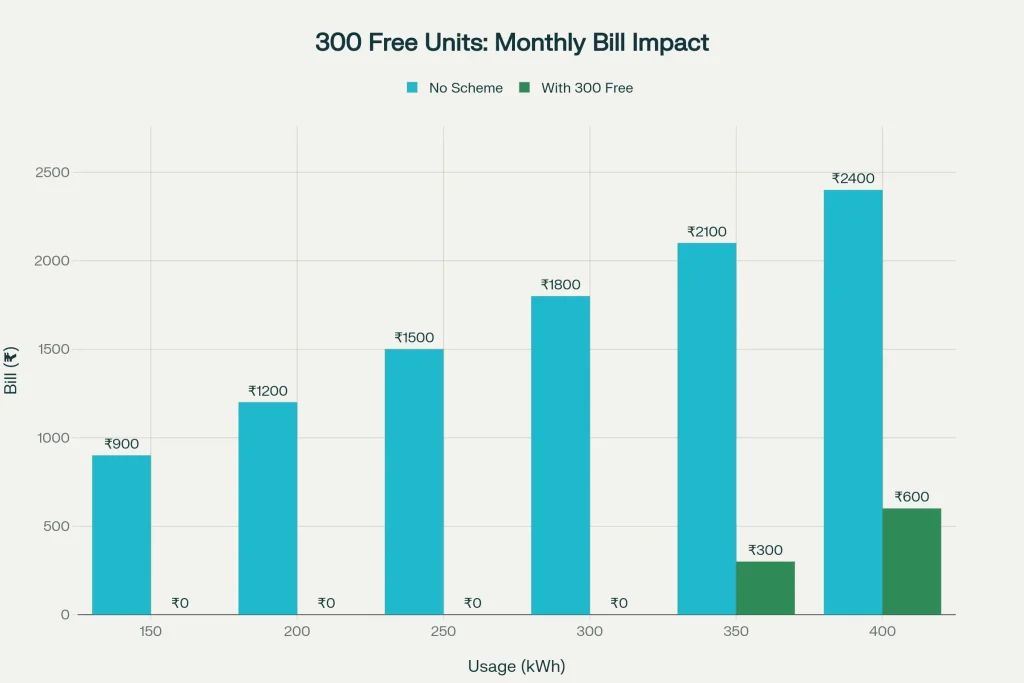
The rooftop-solar component has standardized subsidy slabs and a multi-year budget horizon, which means installers and DISCOMs have clearer benchmarks and timelines in 2025. States continue to issue periodic circulars aligning beneficiary categories, caps, and documentation norms, so revisiting your DISCOM portal monthly is a practical habit to avoid missing credits.
Practical Tips to Maximize Savings
- Size to your usage: If your average monthly consumption is 180–300 units, a 2–3 kW system typically balances output and cost for consistent credits.
- Track milestones: Don’t let feasibility or metering linger follow up with your vendor and DISCOM if a step stalls beyond the stated window.
- Monitor bills: Post-commissioning, scan each bill for generation credits and unit-wise relief; flag anomalies early through your portal’s grievance cell.
- Optimize loads: Shift heavy loads to daylight hours to consume more of your own solar generation and reduce imports from the grid.
Common Mistakes to Avoid
- Name/address mismatches across Aadhaar, bill, and portal profiles.
- Applying without rooftop authorization in rented or society housing.
- Ignoring DISCOM notices on net-metering paperwork or meter changeouts.
- Expecting automatic inclusion without completing required steps or clearing dues.
SBI PPF 2025 Update: Latest Interest Rate and Smart Tips to Maximize Returns
Quick Checklist for 300 Units of Free Power in 2025
- Consumer number and KYC aligned with Aadhaar and bill.
- Rooftop ownership proof or NOC ready.
- Bank details verified for subsidy/credit.
- Average consumption assessed to choose 1–3 kW capacity.
- Vendor empaneled and net-metering requested promptly.
- DISCOM commissioning certificate obtained and archived.
FAQs on 300 Units of Free Power in 2025
Is rooftop solar mandatory to get 300 free units?
In many places, yes, the central pathway for up to 300 free units hinges on a commissioned rooftop system. Some states offer separate bill credits for targeted groups, but those programs have their own eligibility and may not stack fully.
How long does approval take?
If documents are complete, feasibility to commissioning often finishes in weeks, though vendor and DISCOM workload can extend timelines. Start early and follow up at each stage.
What if my usage is above 300 units?
You’ll still receive credits up to the cap. Any consumption beyond 300 units is billed at your normal tariff slab.
Can tenants apply?
Yes, with a bona fide NOC from the property owner or housing society and proper mapping of the connection on the portal.