
India has expanded several major welfare programmes in 2026 to support vulnerable urban families, who face rising living costs, insecure employment, and rapid migration pressures. The government has identified 12 Key Government Schemes Every Urban Poor Household Should Know in 2026, covering housing, livelihoods, sanitation, food security, digital access, and healthcare. Officials say the combined effect of these schemes is intended to reduce inequality and improve the lives of millions living in cities.
A Changing Urban Landscape
India’s cities have expanded at an unprecedented pace. According to the Ministry of Housing and Urban Affairs (MoHUA), urbanisation reached nearly 37% of the national population in 2025, with projections suggesting more than 480 million urban residents by 2030. Rising migration from rural areas and increasing vulnerability among informal workers have pushed governments to strengthen urban welfare infrastructure.
Urban planners argue that the 2026 reforms reflect a shift from a sector-based approach to a more integrated one. “Urban poverty is no longer limited to housing shortages or lack of sanitation,” said Dr. Arvind Subramanian of the Indian Institute of Management Ahmedabad. “It is a multidimensional challenge, involving housing, health, food security, income stability, and climate resilience.”
12 Major Schemes Supporting Urban Poor Households in 2026
Each of the following schemes plays a significant role in improving the living conditions of low-income urban households. Collectively, they form the backbone of India’s urban social protection framework.
1. Pradhan Mantri Awas Yojana–Urban (PMAY-U)
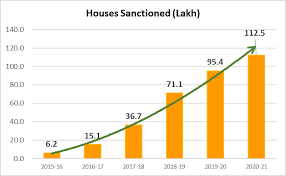
PMAY-U remains India’s largest affordable housing programme. According to MoHUA’s 2026 update, more than 8.1 million homes have been sanctioned, with a strong push toward completion and in-situ development.
Experts say the focus on Credit Linked Subsidy Scheme (CLSS) continues to help families access housing loans at lower interest rates. Housing remains a critical challenge in cities where rental costs have surged due to inflation and high land values.
2. In-Situ Slum Redevelopment (ISSR)
ISSR aims to transform slums into organised, serviced housing clusters without displacing residents. Unlike earlier relocation-focused policies, ISSR attempts to preserve employment, community ties, and access to transport. Implementation varies by state, but experts say it represents a significant policy shift.
3. Deendayal Antyodaya Yojana–National Urban Livelihoods Mission (DAY-NULM)
DAY-NULM supports the urban poor through skills training, entrepreneurship promotion, and women’s self-help groups. More than 1.5 million beneficiaries have been trained in the past year, according to the Ministry of Social Justice and Empowerment.
“Urban livelihoods remain unstable for a large section of informal-sector workers,” said Prof. Meera Menon, a labour economist at Jawaharlal Nehru University. “DAY-NULM’s role in stabilising income through training and micro-enterprise support is increasingly important.”
4. PM SVANidhi
The PM Street Vendor’s Atmanirbhar Nidhi scheme has provided more than 5 million loans since its launch. The programme expanded in 2026 to include higher credit tranches and digital payment incentives.
Street vendors form a significant part of India’s informal workforce, and PM SVANidhi has helped many rebuild businesses affected by the pandemic and inflation.
5. Swachh Bharat Mission–Urban 2.0 (SBM-U 2.0)
SBM-U 2.0 continues to improve sanitation infrastructure in cities. A 2025 government report noted that more than 70% of urban wards now have door-to-door waste collection, though researchers argue that waste segregation remains inconsistent.
6. Jal Jeevan Mission–Urban (JJM-U)
JJM-U aims to provide piped drinking water connections to all urban households. In 2026, the government announced a renewed focus on informal settlements and migrant clusters.
“Water security in cities is essential, especially with changing climate patterns,” said Dr. Kavita Rao from the World Health Organization (WHO) India office.
7. Ayushman Bharat–Pradhan Mantri Jan Arogya Yojana (PMJAY)
PMJAY continues to provide health insurance coverage for low-income families, covering secondary and tertiary care. The National Health Authority estimates that more than 600 million people remain eligible.
Urban health disparities persist, especially in slums, where overcrowding and limited access to primary care facilities remain widespread.
8. Public Distribution System (PDS) Modernisation
Digital ration cards and the One Nation, One Ration Card (ONORC) initiative have improved access for migrant workers. The Department of Food and Public Distribution states that the portability feature now operates in all states and union territories.
This allows urban migrants to access grains irrespective of location—critical for households that relocate frequently in search of work.
9. Digital India Skill Training Initiatives
Low-income youth receive digital literacy training through several programmes under the Digital India Mission. These programmes help beneficiaries access e-governance services, employment opportunities, and online banking.
Digital access is increasingly considered a prerequisite for participating in the modern economy.
10. Integrated Child Development Services (ICDS) Urban Initiatives
ICDS improvements in cities focus on nutrition monitoring, anganwadi modernisation, and supplementary food supply. Many urban infants and children suffer from undernutrition despite living in proximity to health facilities, according to the Ministry of Women and Child Development.
11. Women’s Self-Help Groups (SHGs) under NULM
SHGs under DAY-NULM continue to foster financial literacy, collective savings, and micro-enterprise development. Over 7 million women are part of ULB-level SHGs, according to 2025 figures.
12. Social Security Initiatives for Vulnerable Urban Groups
These include pension schemes, disability benefits, and shelters for the homeless. Non-profits say shelters have expanded, but coverage remains uneven across metropolitan areas.
Case Studies: How These Schemes Affect Daily Life
Although the government releases extensive data, the impact is most evident at the community level. Urban researchers cite several trends:
1. Mobility Among Migrant Workers
ONORC has enabled smoother food access for migrant workers, who often relocate every few months. Researchers note reduced hunger vulnerability among seasonal migrants.
2. Women’s Workforce Participation
DAY-NULM’s SHGs have helped urban women earn income through tailoring, food services, and home-based enterprises. According to NULM reports, women-led microbusinesses have grown steadily since 2021.
3. Street Vendor Stability
PM SVANidhi’s digital payments incentives have pushed many vendors to adopt mobile-based transactions, improving business transparency.
International Perspective: How India Compares
Urban welfare systems vary worldwide, but analysts note:
- India’s scale is unmatched, with tens of millions eligible for housing subsidies alone.
- Brazil and Mexico operate similar conditional cash transfer systems, but India’s combination of food security, housing, and health insurance is broader.
- Experts argue India must improve portability and digital access to match global best practices.
Challenges in Implementation
Despite progress, several obstacles remain:
1. Delays in Fund Disbursement
Some states face administrative delays, affecting scheme uptake.
2. Digital Divide
Low digital literacy restricts access to online services.
3. Urban Homelessness
Shelter availability remains limited in major metros like Delhi and Mumbai.
4. Climate Stress
Urban flooding and heatwaves increase vulnerability, but welfare systems are still adapting to climate-focused planning.
Thayi Bhagya Scheme 2025: Full Maternal Care Benefits and Eligibility Guide
Expert Views on the Path Ahead
Policy experts argue that the next stage of welfare reform must integrate:
- GIS-based beneficiary tracking
- Unified application platforms
- Stronger coordination between ULBs and state governments
- Climate-resilient infrastructure
“Urban welfare needs to evolve from separate schemes into a unified delivery model,” said a senior researcher at the Observer Research Foundation, citing fragmentation across departments.
Conclusion
India’s focus on the 12 Key Government Schemes Every Urban Poor Household Should Know in 2026 represents a major push to improve social protection in rapidly expanding cities. While implementation challenges continue, the emphasis on housing, health, sanitation, and livelihoods reflects a broader commitment to building inclusive, resilient urban communities. Experts say better coordination, technology adoption, and targeted outreach will determine whether these programmes achieve their intended impact by 2030.